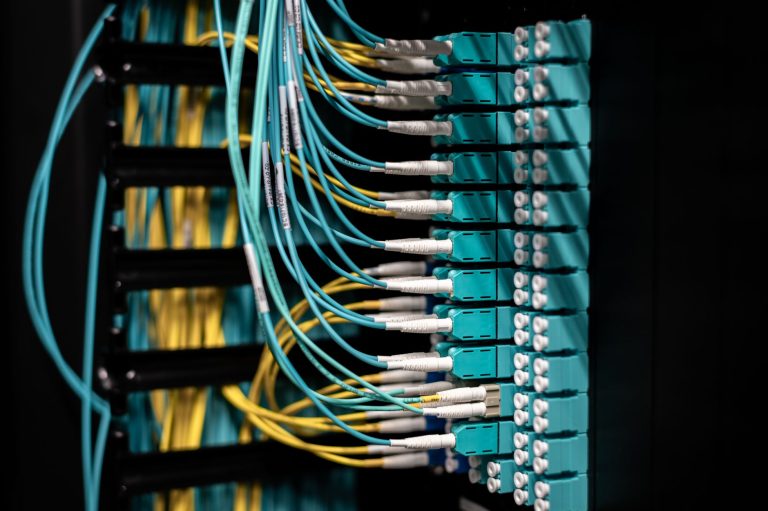
The satellite connectivity test conducted by Smart and Elveo Mobile demonstrates the potential of satellite technology for enhancing communication. This innovative approach could revolutionize connectivity in key regions like the Philippine Sea.
Overview of the Satellite Connectivity Test
The recent advancements in satellite technology have led to significant developments in communication solutions, particularly through a satellite connectivity test conducted by Smart and Elveo Mobile. This test aimed to explore the feasibility and efficiency of direct-to-device satellite connections in remote areas, specifically over the key Philippine Sea route.
During the trial, both companies successfully demonstrated the ability to connect mobile devices directly to satellites without the need for ground infrastructure. This breakthrough could transform communications, especially in regions with limited or no access to traditional network services.
- Improved Connectivity: The satellite connectivity test showcased enhanced speeds and reliability for users in isolated areas.
- Broader Reach: By enabling direct satellite communication, this technology can serve users in maritime, rural, and disaster-stricken regions.
- Potential Applications: Beyond personal communication, this system could support emergency services, maritime operations, and even IoT devices.
As the demand for reliable communication continues to grow, this satellite connectivity test represents a significant step forward. It raises questions about the future of communication technology and its role in bridging the connectivity gap in underserved regions.
Importance of Reliable Communication
Reliable communication is crucial in today’s fast-paced world, where connectivity can significantly impact various sectors, including emergency services, maritime operations, and remote work. The recent satellite connectivity test conducted by Smart and Elveo Mobile highlights the importance of establishing robust communication channels, especially in regions prone to disruptions.
In particular, the successful testing of direct-to-device satellite connectivity on key routes, such as the Philippine Sea, demonstrates how satellite technology can fill gaps in traditional communication infrastructures. This innovation is essential for:
- Emergency Response: In times of disaster, reliable communication can save lives by ensuring that first responders can coordinate effectively.
- Maritime Safety: Sailors and vessels navigating remote waters benefit from constant connectivity, which is vital for navigation and distress signaling.
- Remote Work: As more individuals work from remote locations, maintaining a steady internet connection becomes necessary for productivity and collaboration.
- Rural Connectivity: Many rural areas lack sufficient service from traditional providers, making satellite solutions a lifeline for residents and businesses alike.
Ultimately, advancements in satellite connectivity, as illustrated by the recent test, promise to enhance communication reliability across various landscapes, ensuring that everyone has access to vital information when they need it most.
How Direct-to-Device Technology Works
Direct-to-device technology represents a significant advancement in satellite connectivity, enabling devices to communicate directly with satellites without the need for traditional ground stations. This innovation is particularly relevant for remote areas, where conventional communication infrastructure may be limited or non-existent.
The satellite connectivity test conducted by Smart and Elveo Mobile highlights the potential of this technology. Through this test, users were able to connect their devices directly to satellites while traversing key routes across the Philippine Sea, demonstrating the feasibility of using satellites for everyday communication purposes.
This technology works by utilizing low Earth orbit (LEO) satellites, which orbit closer to the Earth compared to traditional geostationary satellites. This proximity allows for reduced latency and improved signal quality. The process involves:
- Signal Transmission: Devices send and receive signals directly to and from satellites.
- Real-Time Communication: Users can engage in voice calls, send texts, and share data with minimal delay.
- Enhanced Coverage: The technology extends network availability to previously unreachable areas.
As the satellite connectivity test demonstrated, this approach could revolutionize communication, making it more accessible and reliable in numerous applications.
Implications for Remote Areas
The implications of the satellite connectivity test are profound, especially for remote areas that often struggle with reliable communication. In many regions, traditional communication infrastructure is lacking, making it challenging for residents to access essential services, emergency assistance, and information. Satellite connectivity offers a promising solution to bridge this gap.
By leveraging advancements in satellite technology, communities in isolated locations can experience enhanced connectivity. This is particularly crucial for areas prone to natural disasters, where timely communication can mean the difference between safety and danger. The recent success of the satellite connectivity test conducted by Smart and Elveo Mobile demonstrates the potential of direct-to-device technology to provide reliable service even in the most challenging environments.
Some key benefits of implementing satellite connectivity in remote areas include:
- Increased Access: Residents can connect to essential services and information, improving their quality of life.
- Emergency Response: Faster communication during crises can facilitate quicker rescue operations and resource allocation.
- Economic Opportunities: Improved connectivity can support local businesses and enhance educational resources.
In conclusion, the satellite connectivity test highlights a significant step toward creating a more connected world, especially for those in remote regions.
Future of Satellite Connectivity
The future of satellite connectivity appears promising, especially with recent advancements that have enhanced communication capabilities across vast distances. As demonstrated in the recent satellite connectivity test conducted by Smart and Elveo Mobile, the potential for direct-to-device technology is becoming increasingly evident. This innovation could redefine the way we communicate, particularly in remote and underserved areas.
Experts predict that as satellite technology continues to evolve, several key trends will shape its future:
- Increased Coverage: The deployment of low-Earth orbit satellites is expected to expand coverage, bringing reliable connectivity to even the most isolated regions.
- Lower Latency: Ongoing improvements in satellite technology aim to reduce latency, making real-time communication more feasible for various applications.
- Cost Reduction: As technology advances, the costs associated with satellite communication are anticipated to decrease, making it more accessible to a wider audience.
- Integration with Existing Networks: Future developments may allow for seamless integration of satellite connectivity with terrestrial networks, improving overall service quality.
As these trends unfold, the outcomes of satellite connectivity tests will be crucial in determining whether this technology can meet the growing demands for reliable communication in our increasingly digital world.
Challenges in Implementation
While the satellite connectivity test demonstrates significant potential for enhancing communication, several challenges remain in its implementation. These obstacles must be addressed to fully realize the benefits of this technology.
- Infrastructure Development: Establishing the necessary infrastructure for satellite connectivity requires substantial investment. This includes ground stations, antennas, and support systems to facilitate seamless communication.
- Regulatory Hurdles: Different countries have varying regulations regarding satellite communications. Navigating these legal frameworks can complicate the deployment of satellite technology and delay implementation.
- Technical Limitations: Although satellite technology has advanced, issues such as latency and bandwidth limitations persist. These technical challenges can impact the quality of communication, particularly in time-sensitive situations.
- Cost Considerations: The cost of satellite connectivity can be prohibitive for some users, especially in remote areas. Finding a balance between affordability and quality is essential for widespread adoption.
- Public Awareness: Many potential users may not be familiar with the benefits of satellite connectivity. Increasing awareness and educating the public about its advantages is crucial for driving demand.
Addressing these challenges will be vital as the industry moves forward with satellite connectivity tests, determining whether it is indeed the best solution for communication.
Comparing Traditional Communication Methods
In an increasingly interconnected world, traditional communication methods have long dominated the landscape. However, as technology advances, these methods face growing challenges and limitations.
Typically, traditional communication relies heavily on the following:
- Terrestrial Networks: Land-based infrastructure such as cell towers and fiber-optic cables have been the backbone of connectivity. Yet, their effectiveness diminishes significantly in remote or rugged areas.
- Satellite Communication: While satellites provide broader coverage, they often suffer from latency and high costs. This has restricted their use to specific applications, particularly in emergency situations.
- Radio Communication: This method can be effective for short distances, but it lacks the bandwidth necessary for high-speed internet access, making it less viable for modern communication needs.
The advent of the satellite connectivity test by companies like Smart and Elveo Mobile introduces a promising alternative. By leveraging direct-to-device technology, these tests demonstrate the potential to bypass many of the limitations associated with traditional methods. In particular, they show great promise for enhancing communication capabilities in underserved areas, allowing for more reliable and efficient connections.
As we move forward, the effectiveness of these new approaches will be crucial in determining the future landscape of global communication.
Feedback from Industry Experts
Experts in the field of telecommunications have shared their insights on the recent satellite connectivity test conducted by Smart and Elveo Mobile. According to Dr. Emily Tran, a prominent telecom analyst, “This test marks a significant milestone for communication technology, especially in maritime and remote areas.” She emphasized that direct-to-device satellite technology could revolutionize connectivity options for users in regions lacking traditional infrastructure.
Additionally, Mark Ruiz, a communications strategist, noted, “The implications of successful satellite connectivity tests extend beyond convenience; they pave the way for enhanced emergency response and disaster management.” He pointed out that having reliable communication in remote areas can significantly improve coordination during crises.
However, not all feedback has been entirely positive. Jane Liu, a technology consultant, raised concerns about the potential costs associated with implementing satellite systems. “While the benefits are clear, we must address the economic feasibility for widespread adoption,” she stated. Liu also mentioned the need for ongoing research to ensure that satellite technology can keep pace with rapidly evolving communication needs.
In summary, industry experts are cautiously optimistic about the outcomes of the satellite connectivity test, recognizing its potential to transform communication while also highlighting the challenges that must be overcome for broader implementation.
By jurvetson via Openverse
References
Related reading
- Huawei Mate 90 Air Specs: Best Proven Features Revealed
- iPhone Air 2 design: Is the dual-camera setup worth it?
- Turkish students rocket launch: Proven success at Teknofest
About the Author