The Rise of Employee Surveillance
Since the pandemic, remote work has surged. A survey by Gartner found that 82% of company leaders plan to allow remote work at least some of the time. Alongside this shift, there’s been a spike in the use of employee surveillance. According to a study by ExpressVPN, 78% of employers use monitoring software to track remote workers’ productivity.
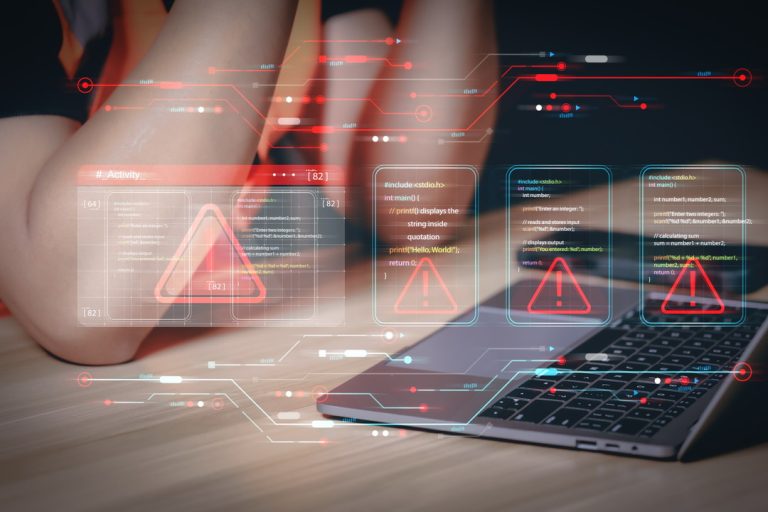
AI-driven surveillance tools promise to enhance productivity by keeping an eye on employees’ activities. These tools can track keystrokes, monitor screen time, and even analyze facial expressions through webcams. Controlio, a popular employee surveillance software, offers detailed reports on employee activities, aiming to ensure that work hours are genuinely productive. But is this really beneficial?
Invasion of Privacy
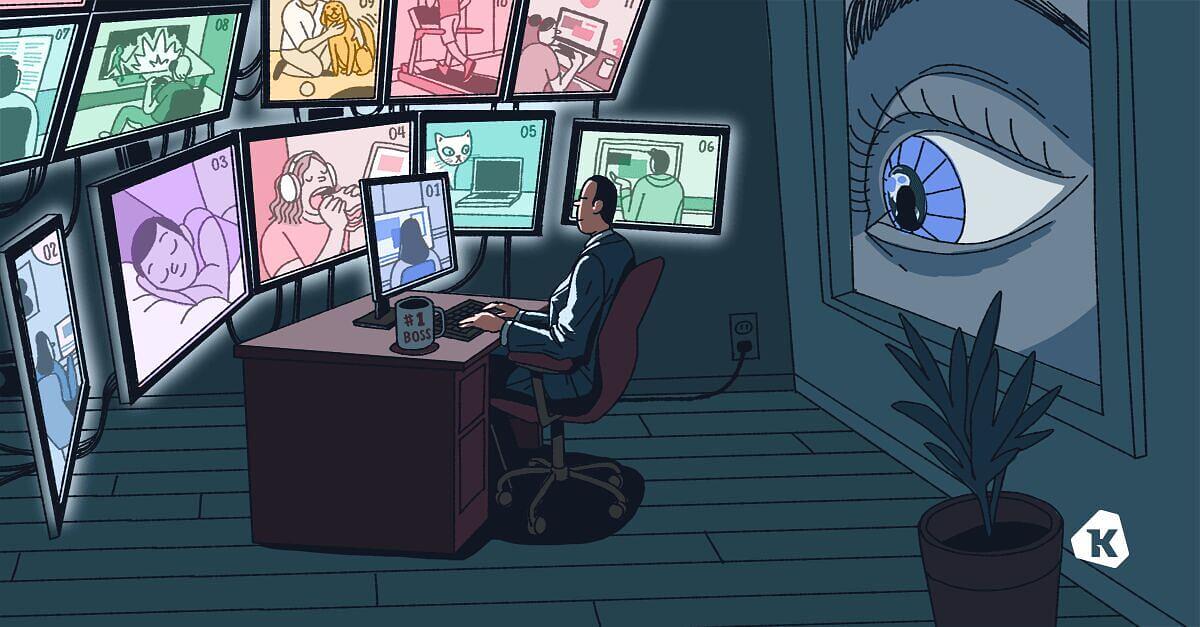
One of the most significant downsides of AI surveillance is the invasion of privacy. Imagine being watched constantly while you work from home. It’s uncomfortable and feels like a violation. Our homes are our private spaces. Bringing surveillance into this personal realm crosses a line.
Employee surveillance product reviews often highlight the discomfort and stress that comes with being constantly monitored. It creates an environment of distrust. Employees feel like they’re always being watched, which can be incredibly stressful. A study by the American Psychological Association found that employees under constant surveillance reported higher levels of anxiety and lower job satisfaction.
Impact on Morale and Productivity
You might think surveillance boosts productivity, but the reality can be quite different. When employees know they’re being watched, it can actually reduce morale. They may feel their privacy is being invaded and that their employer doesn’t trust them. This lack of trust can lead to disengagement and lower productivity. In fact, research by Harvard Business Review shows that excessive monitoring can decrease productivity by 12%. Employees under constant surveillance are more likely to experience burnout and job dissatisfaction, which ultimately harms the company’s bottom line.
Ethical Concerns
There are also significant ethical concerns with AI surveillance. Is it ethical to monitor someone in their home? Employee surveillance product reviews often raise this question. It’s a grey area that many companies are navigating without clear guidelines.
Controlio and other surveillance software may offer robust monitoring capabilities, but they also need to ensure they’re used ethically. Employers should consider the long-term effects on their workforce’s mental health and well-being. Ethical use of these tools means finding a balance between ensuring productivity and respecting employees’ privacy.
Conclusion
AI-based employee surveillance may seem like a good way to ensure productivity, but it comes with significant drawbacks. Privacy invasion, decreased morale, and ethical concerns make it a move in the wrong direction. As we adapt to remote work, it’s crucial to find a balance that respects employees’ privacy while maintaining productivity.
Employee surveillance product reviews consistently highlight these issues, and companies like Controlio must consider them. By fostering a culture of trust and transparency, we can ensure that remote work remains a positive experience for everyone. Let’s prioritize human connection over constant monitoring and move towards a more balanced approach to remote work.
About the Author