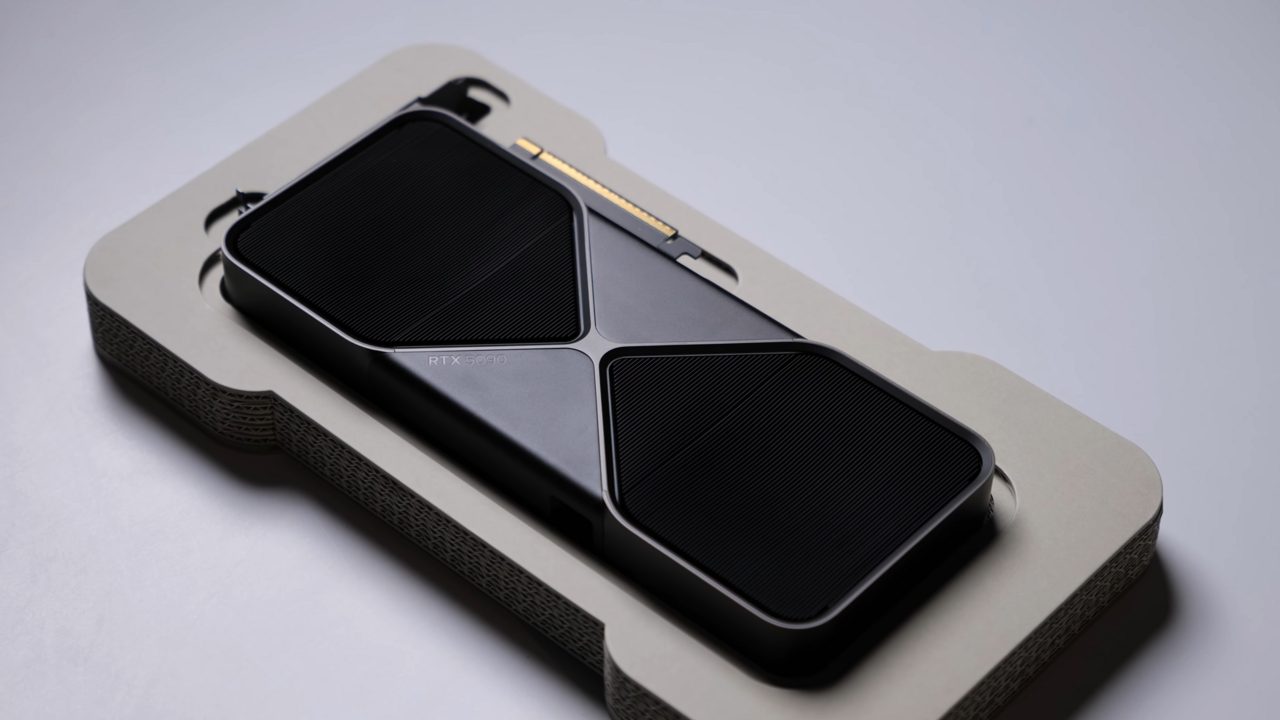
RTX 5080 prices have hit an alarming $2,000, matching the original launch cost of the RTX 5090. This significant price increase has sparked discussions within the tech community.
Understanding RTX 5080 Prices
The recent surge in RTX 5080 prices has raised significant concerns among tech enthusiasts and gamers alike. As the market grapples with soaring costs, many are left wondering how these price hikes will affect the overall GPU landscape.
Currently, the RTX 5080 is priced at an astonishing $2,000, which is comparable to the original launch cost of the RTX 5090. This unprecedented pricing trend has led to discussions about the sustainability of the high-end graphics card market.
Several factors contribute to the current situation:
- Increased demand: With gaming and content creation on the rise, the appetite for powerful GPUs has never been higher.
- Supply chain issues: Ongoing semiconductor shortages continue to hinder production, limiting availability.
- Inflation: Rising costs of materials and manufacturing have a trickle-down effect on consumer prices.
As consumers weigh their options, the implications of RTX 5080 prices may prompt a shift in purchasing behaviors across the GPU market.
The Impact of Price Increases on Gamers
The recent surge in RTX 5080 prices has sent shockwaves through the gaming community, significantly affecting gamers’ purchasing decisions. With prices now hitting $2,000, which matches the original launch cost of the RTX 5090, many enthusiasts are feeling the strain on their budgets.
As the GPU market grapples with these escalating costs, the implications for gamers are profound. A few key impacts include:
- Increased Financial Burden: The high price of the RTX 5080 forces gamers to reconsider their upgrade paths, often delaying purchases or opting for older models.
- Reduced Accessibility: With prices soaring, many potential buyers are priced out of the market, limiting access to advanced gaming technology.
- Shift in Priorities: Gamers are now prioritizing budget-friendly options, leading to a greater demand for mid-tier graphics cards.
Ultimately, the impact of these price increases extends beyond individual gamers, influencing overall market trends and reshaping future purchasing behaviors.
Why RTX 5080 Prices Are So High
The recent surge in RTX 5080 prices can be attributed to several interconnected factors that have reshaped the GPU market. First and foremost, the ongoing global chip shortage continues to affect production capabilities, leading to limited availability and consequently higher prices. Manufacturers struggle to meet demand, driving consumers to pay a premium for the latest technology.
Additionally, competition in the high-end graphics card market has intensified. With the launch of newer models, like the RTX 5080, enthusiasts are often willing to pay more to secure cutting-edge performance, further inflating prices. Retailers, recognizing this trend, have adjusted their pricing strategies to maximize profits, which has only compounded the issue.
Moreover, inflation and increased shipping costs have also contributed to the rising prices. As logistics expenses surge, these costs inevitably trickle down to consumers. All of these factors combined create a challenging environment for gamers and tech enthusiasts, who are now facing the reality of RTX 5080 prices that mirror those of previous flagship models, such as the original RTX 5090.
Future Trends in GPU Pricing
The recent surge in RTX 5080 prices has raised concerns about the future of the GPU market. As prices climb to unprecedented levels, analysts predict a shift in consumer behavior and a potential slowdown in sales. This trend is fueled by multiple factors, including supply chain issues, increasing production costs, and heightened demand for high-performance graphics cards.
Many gamers are now faced with tough decisions, as the escalating costs push them to either delay upgrades or seek alternative options. In this evolving landscape, the following trends could emerge:
- Increased Demand for Mid-Range GPUs: As high-end cards like the RTX 5080 become less accessible, consumers may turn to more affordable alternatives.
- Enhanced Second-Hand Market: The rise in new GPU prices could lead to a more robust market for used graphics cards, as users look for budget-friendly solutions.
- Focus on Value: Manufacturers might prioritize value-driven products, creating GPUs that offer better performance per dollar.
Overall, the implications of the current pricing trends will significantly shape the GPU market in the coming years.
via Wikimedia Commons
References
Related stories
- ISRO NVS-03 Mission: Best Proven Features and Significance
- Google Anthropic TPU partnership: Is it the Best Move?
- AI tools for pricing: Proven solutions for structured products
About the Author