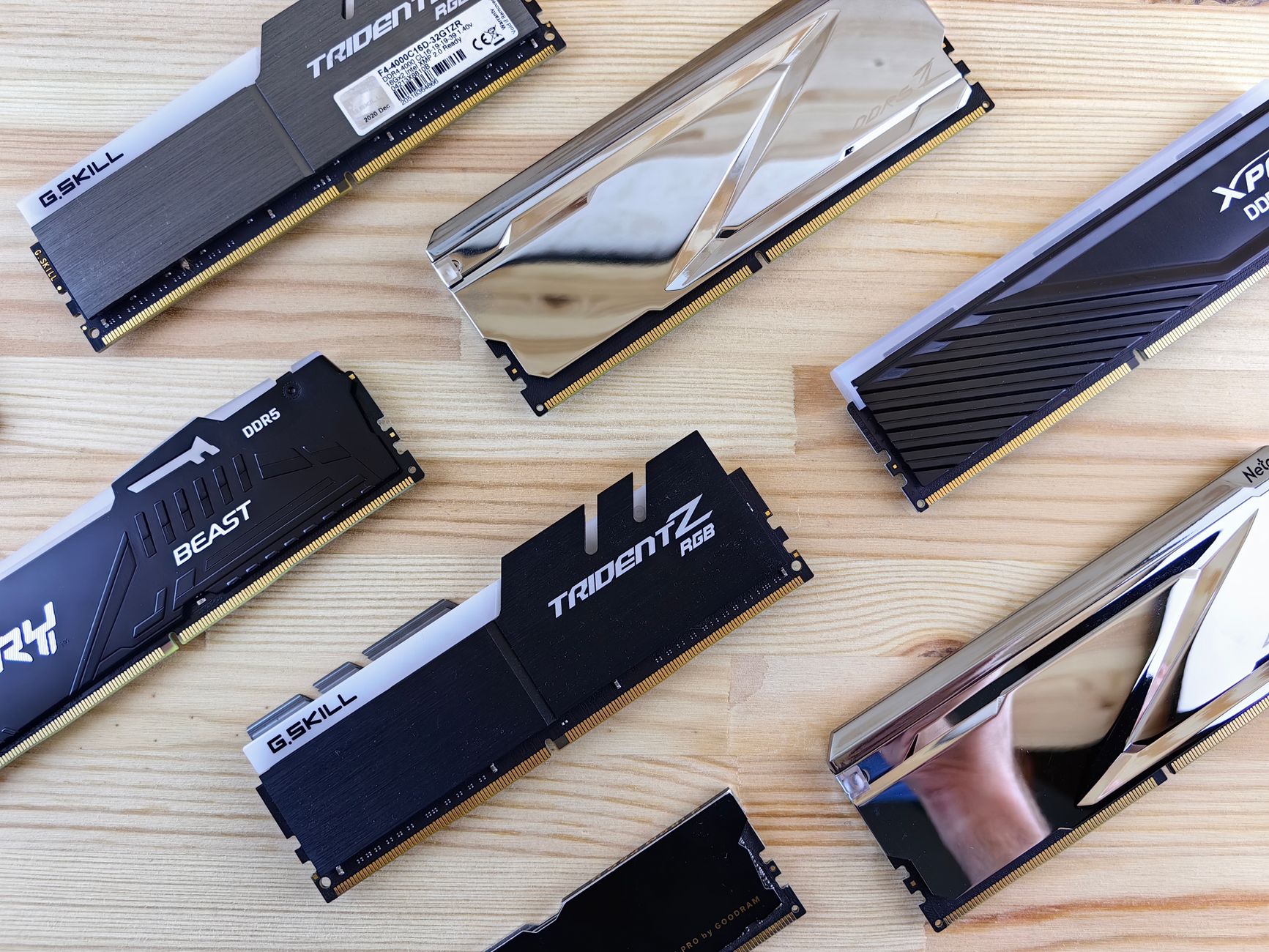
DDR5 RAM prices have surged significantly, increasing by 5.5-fold. This spike has raised concerns about future pricing trends, particularly as we approach 2027.
Understanding DDR5 RAM Pricing
The recent surge in DDR5 RAM prices has raised concerns among consumers and manufacturers alike. Over the past year, prices have skyrocketed by 5.5-fold, making it increasingly difficult for gamers and tech enthusiasts to upgrade their systems. This dramatic increase has been attributed to several factors that are shaping the market.
Firstly, the demand for high-performance computing has surged due to the rise of artificial intelligence and gaming technologies. As more devices require faster memory solutions, the pressure on DDR5 RAM supply has intensified, leading to inflated prices. Additionally, ongoing global semiconductor shortages have exacerbated the situation, contributing to limited availability.
Experts predict that the situation may worsen in 2027. Several manufacturers have indicated that production challenges and raw material constraints could continue to hinder supply chains. As a result, consumers may face even higher prices for DDR5 RAM, making it essential to stay informed about market trends.
In a highly competitive tech landscape, it is crucial for buyers to understand the implications of DDR5 RAM pricing. Here are some key considerations:
- Timing: Purchasing during sales events may yield better prices.
- Compatibility: Ensure that your motherboard supports DDR5 RAM before investing.
- Alternatives: Consider other memory options if prices continue to rise.
Factors Behind the Price Surge
The recent surge in DDR5 RAM prices has been attributed to several key factors that have contributed to the unprecedented rise, which is expected to worsen in 2027. Understanding these factors is essential for consumers and industry stakeholders alike.
- Increased Demand: The demand for DDR5 RAM has skyrocketed due to its adoption in high-performance computing, gaming, and data centers. As manufacturers push for greater efficiency and speed, the need for DDR5 RAM is anticipated to continue growing.
- Supply Chain Disruptions: Ongoing supply chain issues have severely affected the production of semiconductors. These disruptions have led to shortages, driving up costs for DDR5 RAM as manufacturers struggle to meet rising consumer expectations.
- Technological Advancements: As technology continues to evolve, the complexity of producing DDR5 RAM has increased. The investment required for research and development has also escalated, contributing to higher prices.
- Market Speculation: Speculation in the electronics market can lead to price fluctuations. As consumers anticipate further price increases, retailers may be prompted to raise their prices preemptively, exacerbating the issue.
These factors combined have created a challenging environment for consumers, making it crucial to stay informed about the trends affecting DDR5 RAM prices.
Future Predictions for DDR5 RAM
As the demand for high-performance computing continues to grow, predictions for DDR5 RAM prices indicate a challenging future. Analysts suggest that the worst surge in prices will be observed in 2027, driven by several market dynamics.
While the initial rollout of DDR5 RAM brought excitement due to its enhanced speeds and efficiency, the associated costs have raised concerns among consumers and manufacturers alike. The anticipated increase in demand from gaming, AI, and data centers is projected to outstrip supply, leading to further price escalations.
- Increased Production Costs: Manufacturers may face rising costs in raw materials and production, which can directly impact DDR5 RAM prices.
- Technological Advancements: While advancements in production technology could help mitigate some costs, they may not be sufficient to offset the high demand.
- Market Competition: As more companies enter the DDR5 market, there may be price fluctuations based on competition, but overall trends suggest a rise.
- Consumer Behavior: The willingness of consumers to invest in high-performance products may contribute to sustained high prices.
In conclusion, if current trends persist, it is likely that DDR5 RAM prices will continue to rise, making it essential for consumers to plan their purchases strategically.
Impact on Laptop Manufacturers
The surge in DDR5 RAM prices has had a significant impact on laptop manufacturers, forcing them to reassess their pricing strategies and production plans. As DDR5 RAM prices have increased by 5.5-fold, manufacturers are grappling with rising production costs that could affect the affordability of new laptops.
Many companies are feeling the pressure to balance quality and pricing, as consumers may be unwilling to pay significantly higher prices for laptops equipped with the latest memory technology. As a result, manufacturers are exploring various strategies to mitigate the impacts of these soaring costs:
- Optimizing Supply Chains: Companies are looking for alternative suppliers or negotiating better terms with existing ones to reduce costs.
- Adjusting Product Lines: Some manufacturers may choose to focus on mid-range laptops that offer better value, rather than high-end models that require expensive DDR5 RAM.
- Innovative Designs: By integrating DDR5 RAM more efficiently, manufacturers can enhance performance without drastically increasing production costs.
Despite these efforts, the outlook remains challenging. As DDR5 RAM prices are predicted to worsen in 2027, manufacturers must continue to adapt and find ways to keep their offerings competitive while managing costs.
Consumer Implications of Rising Prices
The surge in DDR5 RAM prices has significant implications for consumers, particularly as they navigate the increasingly expensive landscape of computer hardware. With the recent 5.5-fold increase in prices, many buyers are left wondering how this will affect their purchasing decisions.
One of the most immediate impacts is on the affordability of new devices. High RAM prices can lead to increased overall costs for laptops and desktops, making it harder for budget-conscious consumers to upgrade or purchase new systems. As manufacturers respond to the rising costs, they may pass these expenses onto customers, resulting in a less competitive market.
Moreover, consumers looking to build or upgrade their own PCs will find that DDR5 RAM is now a more significant investment. This could deter some from using the latest technology, leading to a potential stagnation in hardware adoption rates. As a result, gamers and professionals who depend on high-performance systems may postpone upgrades, opting instead to stick with older, less efficient components.
Additionally, the trend of rising DDR5 RAM prices could foster a secondary market for used components, where consumers may seek to find better deals on older technology. This shift could change the dynamics of how individuals approach hardware purchases in the coming years.
Comparing DDR5 to Previous RAM Generations
The surge in DDR5 RAM prices has prompted many to compare this new generation of memory with its predecessors, particularly DDR4 and DDR3. As technology evolves, so do the costs associated with high-performance components, but the current spike in DDR5 prices has reached unprecedented levels.
Historically, each new RAM generation has brought improvements in speed and efficiency, accompanied by a gradual price increase. For instance:
- DDR3: Released in 2007, DDR3 was a significant advancement over DDR2, but prices remained relatively stable during its first few years.
- DDR4: Launched in 2014, DDR4 saw a moderate price rise as demand grew alongside the PC gaming and content creation markets.
- DDR5: Now, as the latest generation, DDR5 RAM prices have skyrocketed, with reports indicating a 5.5-fold increase compared to previous years.
This drastic price surge is influenced by a combination of manufacturing challenges and soaring demand, especially from gamers and professionals seeking high-performance systems. Compared to past generations, consumers are facing a dramatically different landscape, where investing in memory has become a significant financial decision. As we look ahead, it’s crucial for consumers to weigh their options carefully in light of these rising costs.
Photo by Andrey Matveev on Pexels
Sources
You might also like
Falcon 9 Starshield satellites: Pentagon’s $17B bet on proven tech · O3b mPOWER satellite constellation: Proven Complete Success · AI Regulation Debate: The Worst Misunderstanding Explained
About the Author