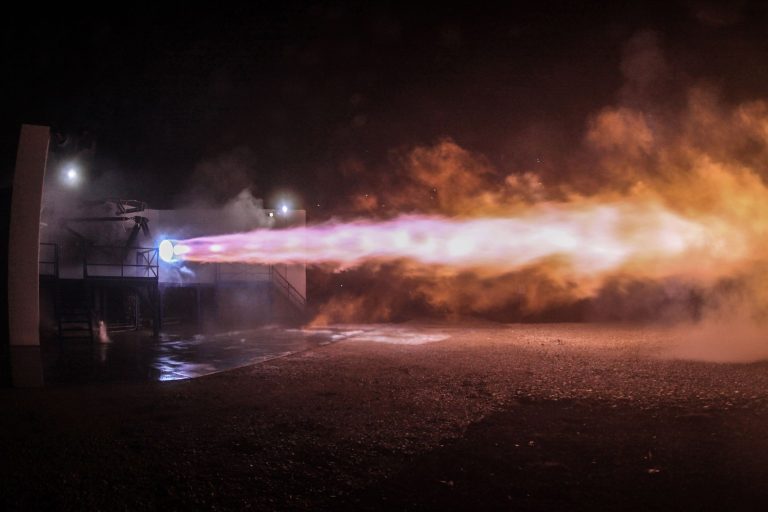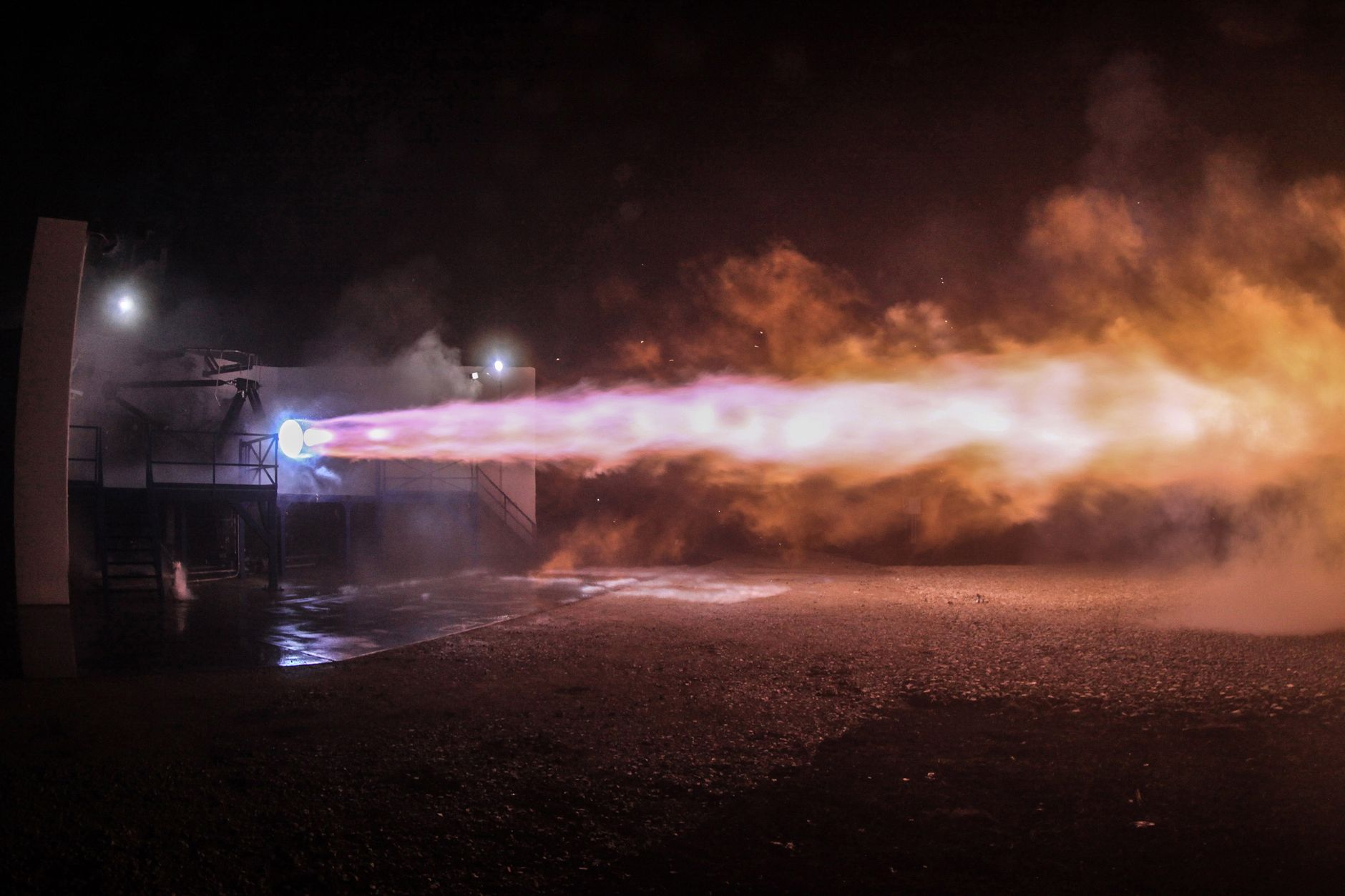
Cryogenic engine test is a significant milestone for ISRO as it prepares for its GSLV mission to launch the next navigation satellite.
Overview of ISRO’s Cryogenic Engine Test
The Indian Space Research Organisation (ISRO) has successfully conducted a cryogenic engine test, marking a significant milestone in its space exploration endeavors. This test is crucial for the upcoming GSLV mission, which aims to launch the fourth navigation satellite into orbit. The cryogenic engine, known for its efficiency and power, plays a vital role in enhancing payload capacity and operational reliability for space missions.
During the flight acceptance test, ISRO engineers meticulously evaluated the performance of the cryogenic engine under various conditions. This process not only ensures that the engine meets the stringent requirements for space travel but also demonstrates ISRO’s commitment to advancing its technological capabilities.
Key aspects of the cryogenic engine test include:
- Performance Evaluation: Assessing thrust levels and fuel efficiency to ensure optimal operation.
- Safety Protocols: Implementing rigorous safety measures to minimize risks during the test.
- Data Collection: Gathering critical data that will inform future missions and technology development.
The successful execution of this cryogenic engine test reaffirms ISRO’s position as a leader in space technology. With each test, the organization moves closer to achieving its long-term goals of enhancing satellite deployment capabilities and expanding its footprint in the global space arena.
Importance of Cryogenic Technology in Space Missions
The significance of cryogenic technology in space missions cannot be overstated. This advanced technology plays a pivotal role in enhancing the efficiency and performance of launch vehicles. Specifically, cryogenic rocket engines, which utilize propellants that are cooled to extremely low temperatures, offer several advantages over traditional engines.
One of the primary benefits of cryogenic engines is their high specific impulse, which translates to greater thrust and improved payload capacity. This capability allows space agencies to launch heavier satellites into higher orbits, thereby expanding the potential for various applications, including communications, weather monitoring, and scientific research.
Moreover, cryogenic technology contributes to the overall reduction of mission costs. With the ability to carry larger payloads, fewer launches are needed to achieve the same objectives, making it a more economical choice for national and commercial space endeavors. The successful implementation of cryogenic engine tests is thus vital for countries aiming to enhance their space exploration capabilities.
The recent cryogenic engine test conducted by ISRO is a testament to the advancements in this field. It not only showcases the technological prowess of India’s space program but also reaffirms the importance of continued investment in cryogenic technology. As the demand for space-based services grows, mastering cryogenic propulsion will be crucial for future missions, ensuring that nations can effectively compete in the ever-evolving space landscape.
Details of the GSLV Mission
The recent flight acceptance test for the cryogenic engine marks a significant milestone for the Indian Space Research Organisation (ISRO) as part of the GSLV mission. This test is crucial for ensuring that the cryogenic engine performs optimally under the conditions it will face during a launch.
The GSLV, or Geosynchronous Satellite Launch Vehicle, is designed to deploy heavier payloads into geostationary orbits, and its success relies heavily on the efficiency of its cryogenic propulsion system. The cryogenic engine test involved a series of rigorous evaluations, including:
- Performance Analysis: Engineers closely monitored the engine’s thrust, fuel efficiency, and overall performance metrics during the test.
- Temperature Regulation: Special attention was given to the engine’s ability to maintain optimal temperatures, a critical factor in cryogenic technology.
- Structural Integrity: The physical components of the engine were assessed for any signs of stress or failure during operation.
ISRO’s successful execution of this cryogenic engine test demonstrates its commitment to advancing space technology. The findings from this test will inform further developments and refinements in future missions. As ISRO prepares for the launch of the fourth navigation satellite, the cryogenic engine’s proven success is a testament to the organization’s innovative capabilities.
Previous Successes of ISRO in Space Launches
The Indian Space Research Organisation (ISRO) has established a remarkable track record in space launches, demonstrating its capabilities through a series of successful missions. Among these achievements, the development and testing of cryogenic engines mark a significant milestone in India’s space exploration efforts.
ISRO’s journey in cryogenic technology began with the successful launch of the GSLV (Geosynchronous Satellite Launch Vehicle) in 2014, which utilized a cryogenic upper stage. This marked India as one of the few countries capable of deploying such advanced propulsion systems. The successful deployment of the GSAT-6A satellite showcased ISRO’s growing expertise and confidence in handling complex space missions.
Moreover, the PSLV (Polar Satellite Launch Vehicle) has been a cornerstone of ISRO’s success, with numerous launches demonstrating reliability and precision. The PSLV’s record includes launching over 300 satellites, including those for international customers, solidifying India’s position as a key player in the global space market.
ISRO’s comprehensive approach to testing, including the recent cryogenic engine test, has played an essential role in ensuring the readiness and reliability of its launch vehicles. These past successes not only highlight ISRO’s technical prowess but also pave the way for future innovations in space technology, reinforcing India’s aspirations in the realm of satellite launches and beyond.
Future Plans for Navigation Satellites
The successful cryogenic engine test marks a significant milestone for ISRO, paving the way for future advancements in navigation satellite technology. With the recent flight acceptance test completed, ISRO is now poised to enhance its capabilities in launching navigation satellites, which are crucial for various applications, including communication, transportation, and disaster management.
ISRO’s future plans for navigation satellites are ambitious and multifaceted. The organization aims to:
- Expand the Navigation Satellite Constellation: By increasing the number of satellites in orbit, ISRO intends to provide more accurate and reliable positioning services.
- Enhance Global Navigation Satellite Systems (GNSS) Integration: Future missions will focus on integrating India’s navigation satellites with global systems, improving interoperability and global coverage.
- Develop Advanced Satellite Technologies: Research and development will be prioritized to innovate new satellite technologies that can improve signal strength and accuracy.
- Focus on Miniaturization: Developing smaller, more efficient satellites is a key goal, allowing for cost-effective launches and greater flexibility in deployment.
These initiatives reflect ISRO’s commitment to leveraging the success of the cryogenic engine test in enhancing India’s position in global space exploration and satellite navigation. As ISRO continues to build on its legacy, the future of navigation satellites looks promising, with the potential for groundbreaking advancements on the horizon.
Challenges Faced in Cryogenic Engine Development
The development of cryogenic engines has not been without its challenges, particularly in the context of ISRO’s ambitious space missions. The complexity of these engines lies in their ability to operate at extremely low temperatures, which introduces various technical hurdles.
One significant challenge is fuel handling. Cryogenic fuels, such as liquid oxygen and liquid hydrogen, require specialized storage and transportation systems to maintain their low temperatures. Any temperature fluctuation can lead to fuel vaporization, potentially affecting engine performance during crucial launch phases.
Another issue is material selection. The components of cryogenic engines must withstand severe thermal and mechanical stresses. ISRO engineers had to innovate and test new materials that could endure the harsh conditions without compromising the engine’s integrity.
Additionally, testing protocols posed difficulties. Conducting a cryogenic engine test requires intricate setups and safety measures to handle the volatile nature of the fuels involved. The precision needed during these tests is paramount, as any deviation could lead to failure.
Despite these challenges, ISRO’s persistence and dedication to overcoming obstacles in cryogenic engine development have yielded promising results. The successful cryogenic engine test is a testament to their engineering prowess and a significant step forward in enhancing India’s capabilities in space exploration.
Expert Opinions on ISRO’s Latest Test
Experts across the aerospace community have lauded ISRO’s recent cryogenic engine test as a groundbreaking achievement in space technology. The successful flight acceptance test, which is pivotal for the upcoming GSLV mission, has drawn significant attention from both national and international observers.
Dr. Ramesh Kumar, an aerospace engineer and consultant, stated, “The advancements in cryogenic technology demonstrated by ISRO are not only crucial for the GSLV mission but also set a benchmark for future space endeavors.” He emphasized that the engine’s performance during the test could enhance payload capacity and improve mission reliability.
Dr. Anjali Patil, a former NASA scientist, expressed her admiration for ISRO’s commitment to mastering complex technologies. “The cryogenic engine test showcases ISRO’s ability to innovate and adapt. It positions the organization as a leader in the global space community,” she noted.
Moreover, Professor Ravi Choudhury from the Indian Institute of Technology remarked on the implications this success has for India’s aspirations in satellite navigation technology. “The successful cryogenic engine test is a smart proven success for ISRO, paving the way for the launch of more sophisticated navigation satellites,” he stated.
Overall, the consensus among experts is that ISRO’s latest advancements in cryogenic engine technology will not only bolster India’s space capabilities but also inspire future generations in the field of aerospace engineering.
Conclusion: The Future of Space Exploration
The successful cryogenic engine test conducted by ISRO marks a significant milestone in the agency’s journey towards advancing space exploration. As the world increasingly turns its attention to the cosmos, the importance of reliable and efficient propulsion systems cannot be overstated. The recent achievements in cryogenic technology not only enhance India’s capabilities in launching heavier payloads but also position ISRO as a competitive player in the global space arena.
Moving forward, the future of space exploration is bright, with potential missions planned beyond our planet. The expertise gained from the cryogenic engine test will serve as a foundation for upcoming projects, including interplanetary missions and satellite deployments. The ability to successfully operate cryogenic engines opens doors to innovative spacecraft designs, enabling higher payload capacities and more complex missions.
Moreover, as nations collaborate on various space initiatives, ISRO’s advancements in cryogenic technology will likely foster partnerships and shared missions aimed at exploring the unknown. The emphasis on sustainable and efficient technology will also resonate with global efforts to maintain space as a viable environment for future generations.
In conclusion, the cryogenic engine test signifies not just a triumph for ISRO, but a leap towards a more ambitious era of space exploration, where new frontiers await humanity’s discovery.
Photo by SpaceX on Pexels
Sources
NVIDIA CEO affair: Worst financial loss in 30 minutes · GTA 6 Announcement: The Best Details You Need to Know · Jio Prepaid Plan: Best Simple Option with 3-Year Validity
About the Author