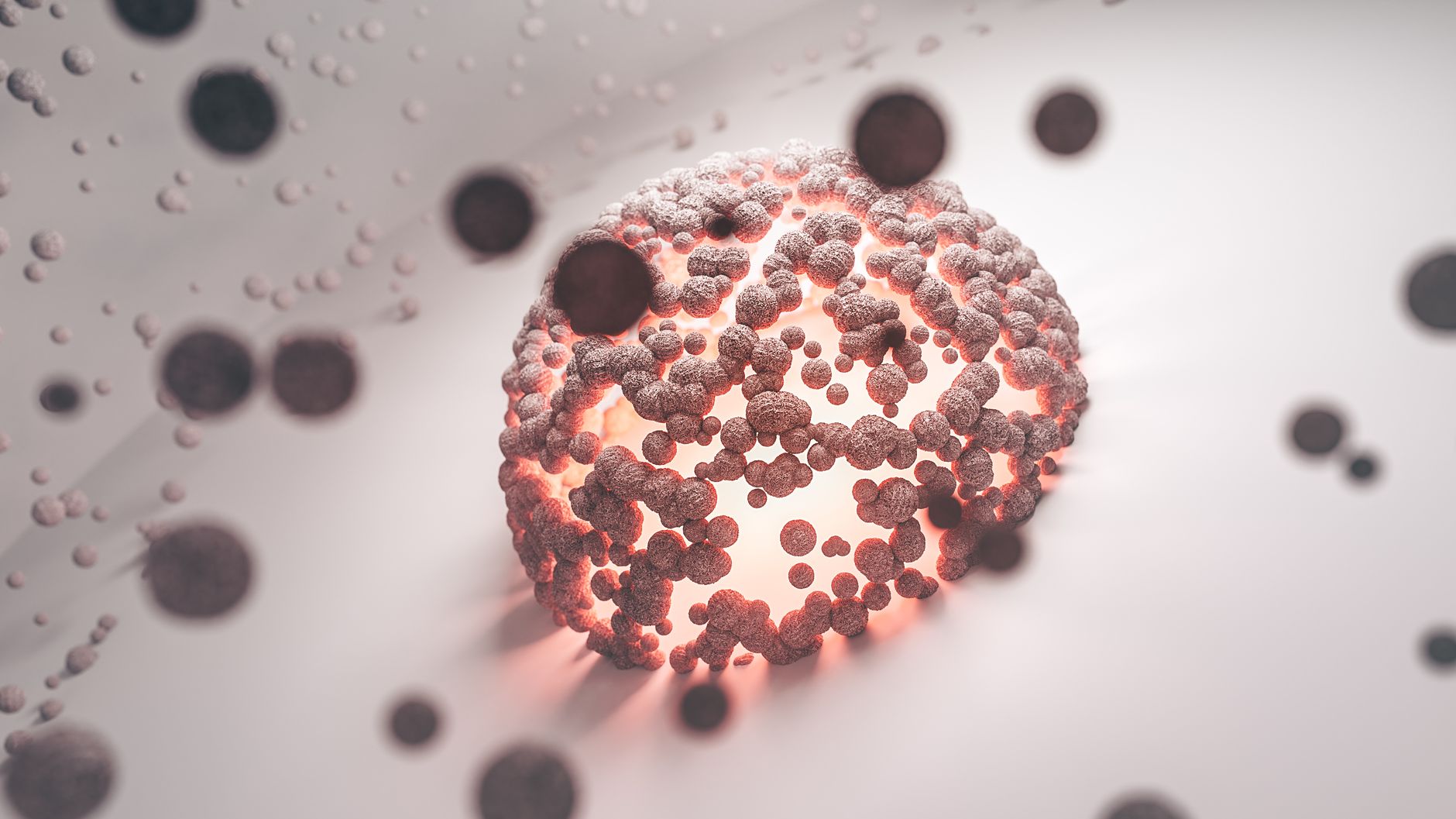
cell fate redirection is a groundbreaking concept that suggests a single temporary stimulus may influence cell behavior without permanent genetic changes. This discovery opens new avenues in cellular biology.
Understanding Cell Fate Redirection
Cell fate redirection is a fascinating process that allows scientists to alter the developmental trajectory of cells. Recent studies have demonstrated that a single temporary stimulus can effectively redirect cell fate without causing permanent changes to the underlying genetic material. This phenomenon opens up new avenues for regenerative medicine and therapeutic interventions.
The ability to influence cell fate has significant implications for various fields, including:
- Stem Cell Research: Enhancing the efficiency of stem cell differentiation.
- Tissue Regeneration: Promoting healing in damaged tissues and organs.
- Drug Development: Creating more effective treatments by targeting specific cell types.
As researchers continue to explore these strategies, the potential for cell fate redirection to revolutionize medicine becomes increasingly apparent.
The Role of Temporary Stimuli
The concept of cell fate redirection is gaining traction in scientific research, particularly regarding the influence of temporary stimuli. Recent studies suggest that brief exposure to specific signals can lead to significant changes in cell behavior without permanently altering genetic structures.
This phenomenon underscores the importance of environmental factors in determining cell identity. Temporary stimuli can activate pathways that guide cells toward desired fates, which has profound implications for regenerative medicine and tissue engineering.
Researchers have identified various types of stimuli that can induce these changes, including:
- Chemical factors
- Mechanical forces
- Electrical signals
Understanding how these temporary signals function may unlock new strategies for manipulating cell fate in therapeutic contexts.
Implications for Genetic Research
The recent findings on cell fate redirection have significant implications for genetic research. Researchers have discovered that a single temporary stimulus can effectively alter cell destiny without causing permanent changes to the underlying genetic code. This breakthrough opens new avenues for understanding how cells can be reprogrammed in various contexts, from regenerative medicine to cancer treatment.
Key implications include:
- Potential for Therapeutics: The ability to redirect cell fate temporarily could lead to novel treatments for diseases.
- Insights into Development: Understanding the mechanisms behind cell fate redirection can shed light on developmental processes.
- Ethical Considerations: As with any advancements in genetic research, ethical implications must be examined carefully.
Overall, these insights may revolutionize the approach to cellular reprogramming and therapeutic interventions.
Future Directions in Cellular Studies
As research in cellular biology advances, the future directions in cellular studies are poised to explore new methodologies for cell fate redirection. Emerging technologies, such as advanced gene editing and synthetic biology, offer promising avenues for manipulating cellular processes.
Researchers are increasingly focused on understanding how temporary stimuli can influence cell behavior and identity. This could lead to innovative treatments for various diseases and conditions. Future studies may also investigate the interplay between environmental factors and cellular responses.
Moreover, interdisciplinary collaborations between biologists, chemists, and bioengineers could enhance our understanding of cellular dynamics. The potential for cell fate redirection to impact regenerative medicine and personalized therapy is vast, making this an exciting area of exploration that could redefine our approach to health and disease.
Photo by Marek Piwnicki on Pexels
References
Related stories
Boltt Evo price: Is This the Best Value Smartphone? · Beats 360 headphones: Best modular design for audio lovers · Rocket Lab Neutron test: Is it the Best Move for Space?
About the Author