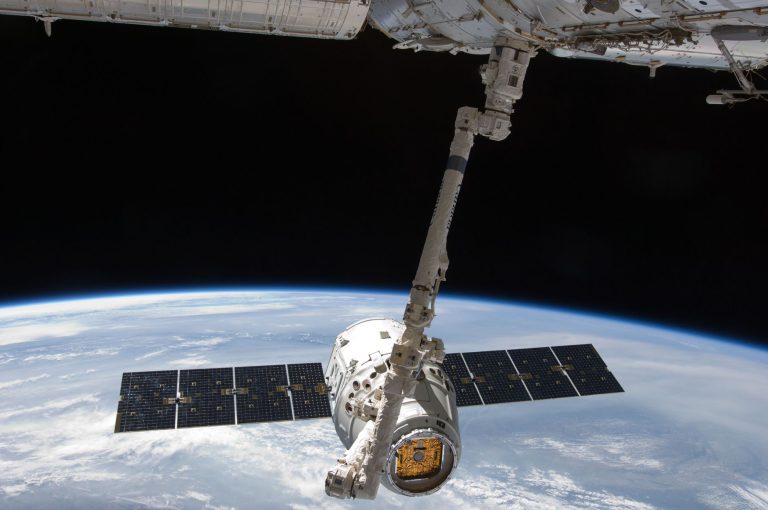
ISRO NVS-03 Mission is set to make significant advancements in space technology. This article delves into the launch date, unique features, and its overall importance.
Overview of ISRO NVS-03 Mission
The ISRO NVS-03 Mission is a significant advancement in India’s space exploration capabilities, aimed at enhancing the country’s navigation satellite system. Scheduled for launch in 2026, this mission will deploy the third satellite in the Navigation with Indian Constellation (NavIC) series, which is designed to provide accurate positioning services to users across India and the surrounding region.
The NVS-03 satellite is equipped with state-of-the-art technology that improves upon its predecessors. The mission will incorporate features such as:
- Advanced Atomic Clocks: Ensuring high precision in timekeeping.
- Enhanced Signal Processing: Optimizing the quality of navigation signals.
- Increased Coverage: Expanding the reach of NavIC services to more users.
- Reliability: Incorporating redundancy measures to ensure continuous operation.
With the ISRO NVS-03 Mission, India aims to not only bolster its position in global navigation systems but also enhance the safety and efficiency of various applications, including transportation, agriculture, and disaster management.
Key Features of the NVS-03 Satellite
The ISRO NVS-03 Mission showcases several key features that highlight its significance in the realm of satellite technology. This next-generation satellite is designed to enhance navigation services across the globe.
- Advanced Navigation Technology: The NVS-03 is equipped with state-of-the-art atomic clocks, which ensure greater accuracy in positioning data.
- Increased Coverage: This satellite expands the coverage area, allowing for improved services in remote regions.
- Multiple Frequency Bands: The NVS-03 operates on multiple frequency bands, enhancing the reliability and performance of navigation signals.
- Enhanced Security Features: The mission integrates robust security protocols to safeguard the data transmitted from the satellite.
- Interoperability: The NVS-03 is designed to be compatible with other global navigation systems, promoting seamless navigation for users worldwide.
These features collectively contribute to the mission’s objective of providing accurate and reliable navigation services. The ISRO NVS-03 Mission not only reflects India’s advancements in space technology but also emphasizes its commitment to the global navigation landscape.
Launch Date and Timeline
The ISRO NVS-03 Mission is set to make significant strides in satellite technology and navigation services. The official launch date for this ambitious mission is slated for 2026, with preparations already underway at the Indian Space Research Organisation’s facilities.
The timeline leading up to the launch is crucial, as it involves multiple phases of development and testing. Key milestones include:
- Design and Development Phase: Expected to conclude in early 2025, ensuring all systems are rigorously tested.
- Integration and Testing: Scheduled for mid-2025, where the satellite will undergo final assembly and integration of its components.
- Launch Preparations: In late 2025, the satellite will be transported to the launch site, followed by extensive checks to guarantee mission readiness.
- Launch Window: The actual launch is planned for early 2026, utilizing one of ISRO’s advanced launch vehicles.
This timeline not only underscores the meticulous planning involved in the ISRO NVS-03 Mission, but also highlights the mission’s significance in advancing India’s navigation capabilities.
Significance of the NVS-03 Mission
The NVS-03 Mission of ISRO holds significant importance in the realm of satellite technology and navigation systems. This mission aims to enhance the existing navigation capabilities of India, ensuring more accurate and reliable positioning services for various applications.
One of the key significances of the NVS-03 Mission lies in its ability to support critical sectors such as transportation, agriculture, and disaster management. By providing precise location data, the mission will aid in the development of autonomous vehicles, improve logistics efficiency, and enhance real-time decision-making during emergencies.
Furthermore, the NVS-03 satellite will serve as a crucial component of the Indian Regional Navigation Satellite System (IRNSS), which aims to deliver navigation services to users across India and neighboring regions. The advancements brought by this mission will not only bolster India’s self-reliance in space technology but also contribute to global navigation systems.
In addition, the NVS-03 Mission is expected to provide improved services for both civilian and military applications, thereby strengthening national security and economic growth. Overall, the significance of the NVS-03 Mission underscores India’s commitment to advancing its space capabilities.
Future Implications for Space Exploration
The ISRO NVS-03 Mission marks a pivotal advancement in space exploration, with its implications extending far beyond immediate applications. As India continues to enhance its satellite capabilities, the NVS-03 satellite is poised to play a critical role in the future of global navigation systems.
One of the most significant implications of the NVS-03 Mission is its potential to improve accuracy in positioning services. This is vital for various sectors, including agriculture, transportation, and disaster management. Enhanced precision can lead to better resource management and improved safety in commercial and public sectors.
Moreover, the NVS-03 satellite is expected to support emerging technologies, such as autonomous vehicles and smart city infrastructure. By providing reliable navigational data, it will contribute to the seamless integration of these technologies into everyday life.
Additionally, the mission demonstrates India’s commitment to becoming a key player in the global space arena. As countries increasingly rely on satellite systems for critical operations, the ISRO NVS-03 Mission exemplifies India’s capacity to innovate and compete on an international level.
In conclusion, the NVS-03 Mission not only showcases ISRO’s technological advancements but also reinforces its significance in shaping the future of space exploration.
Sources
Related stories
Google Anthropic TPU partnership: Is it the Best Move? · AI tools for pricing: Proven solutions for structured products · Samsung AI Features: The Best New Tech for Galaxy Users
About the Author