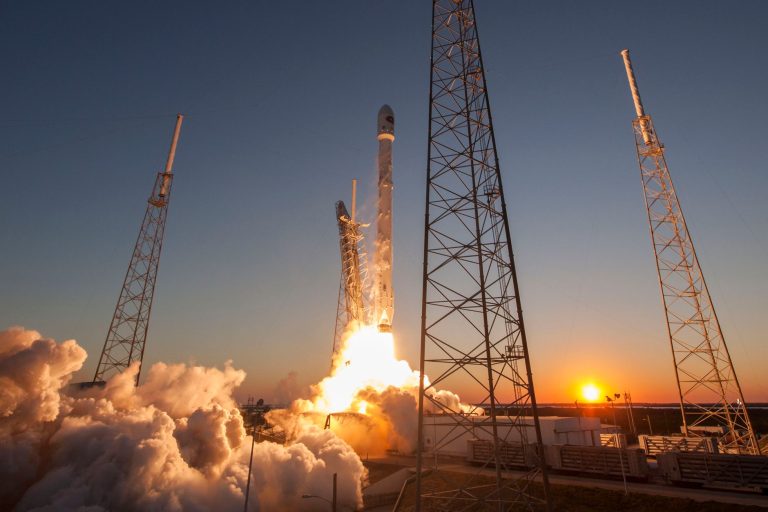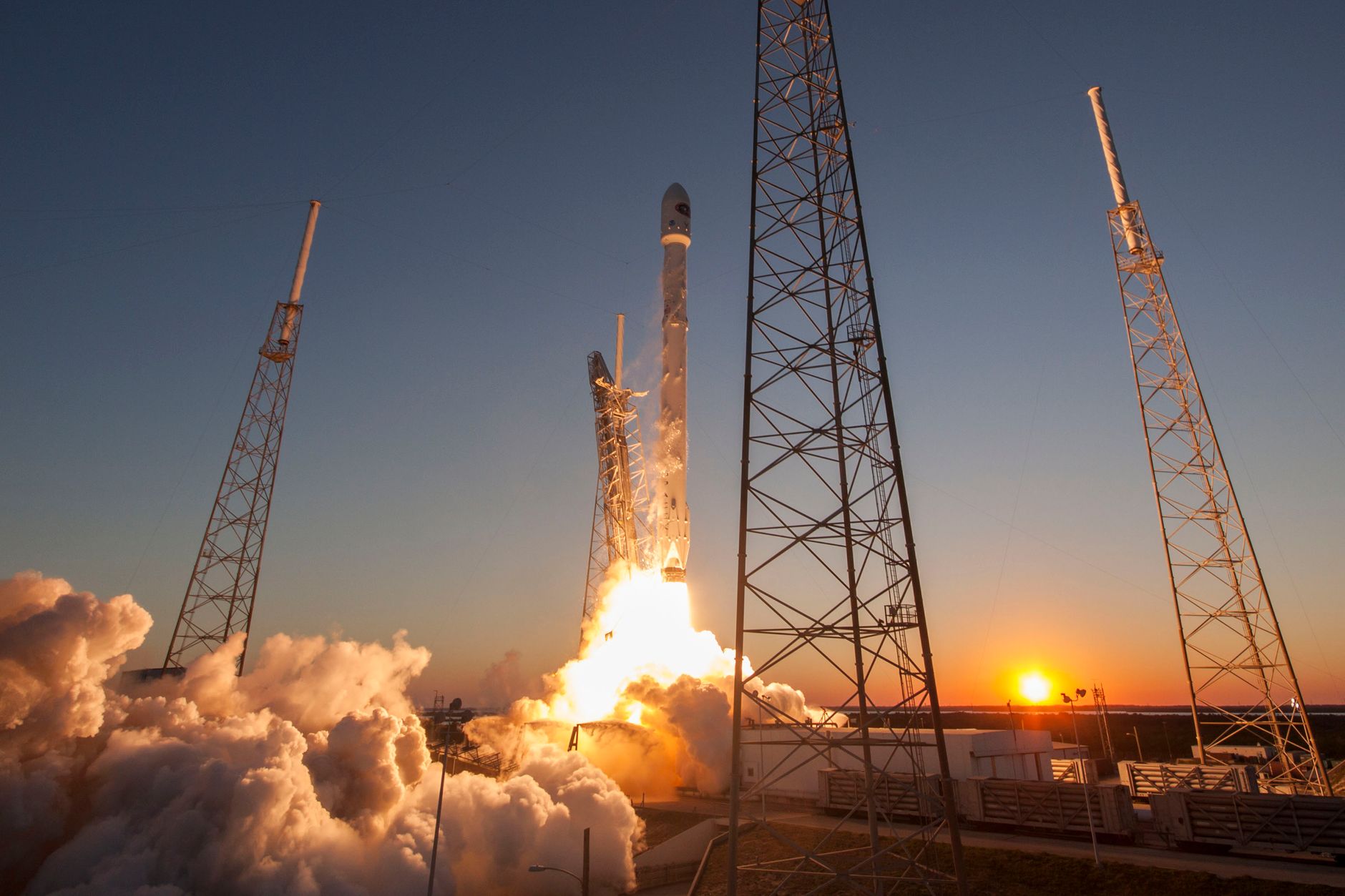
Falcon 9 Starshield satellites are making headlines tonight as they prepare for launch. The Pentagon’s significant investment of $17 billion aims to enhance satellite durability and reliability in space.
Overview of Falcon 9 Launch
The Falcon 9 rocket, developed by SpaceX, continues to demonstrate its reliability and versatility in launching payloads into orbit. In a recent mission, the Falcon 9 carried a classified batch of Starshield satellites, a key initiative by the Pentagon aimed at enhancing national security through advanced technology.
With a contract value of $17 billion, this investment underscores the military’s commitment to leveraging proven technologies in the field of satellite communications and reconnaissance. The Starshield program is designed to provide enhanced capabilities, ensuring that the United States maintains a strategic edge in space.
The launch is a testament to the successful partnership between the U.S. government and private aerospace companies, marking another milestone in the evolution of space operations. The reliable Falcon 9 has established itself as a cornerstone for transporting crucial assets into orbit, enabling the deployment of unkillable satellites that are essential for modern defense strategies.
- Reliable launch vehicle
- Classified satellite technology
- Strategic national security initiative
Significance of Starshield Program
The significance of the Starshield program extends beyond mere technological advancement; it represents a pivotal shift in the Pentagon’s approach to national security. The Falcon 9 Starshield satellites are designed to offer robust capabilities that can withstand various threats, ensuring that vital communications and surveillance can continue even in the most challenging environments.
This program is marked by a substantial investment of $17 billion, signaling the military’s confidence in the proven technology offered by SpaceX. The decision to utilize Falcon 9 for launching these satellites underscores the importance of reliability and efficiency in modern defense strategies.
Key benefits of the Starshield program include:
- Resilience: Designed to endure hostile conditions and potential attacks.
- Advanced capabilities: Enhanced surveillance and communication for military operations.
- Cost-effectiveness: Utilizing established technology to reduce long-term investment risks.
Ultimately, the Falcon 9 Starshield satellites aim to bolster national defense and ensure a competitive edge in space innovation.
Pentagon’s Investment in Space Technology
The Pentagon is making a significant investment in space technology, channeling $17 billion into the development of Falcon 9 Starshield satellites. This ambitious initiative aims to ensure the United States maintains its edge in national security and surveillance capabilities.
The decision to invest heavily in proven technology, such as the Falcon 9 rocket platform, reflects a strategic shift towards leveraging existing systems for enhanced operational effectiveness. The Falcon 9 Starshield satellites are designed to withstand various threats, asserting their durability in the challenging landscape of modern warfare.
Among the key features of this program is the ability to deploy satellites rapidly and efficiently. The Pentagon’s investment underscores a commitment to innovation while relying on established technologies.
- Focus on rapid deployment capabilities
- Enhanced surveillance and reconnaissance
- Partnership with commercial aerospace leaders
This investment marks a pivotal moment in the Pentagon’s approach to space, emphasizing resilience and reliability in satellite technology.
Future of Satellite Durability
The future of satellite durability is a pressing concern as the Pentagon invests heavily in the Falcon 9 Starshield satellites program. With the increasing threats to space assets, ensuring the longevity and resilience of these satellites is paramount.
Experts believe that the Falcon 9 Starshield satellites will incorporate advanced materials and technologies designed to withstand extreme conditions. This includes:
- Robust shielding: To protect against space debris and radiation.
- Redundant systems: Ensuring functionality even if one component fails.
- Adaptive technology: Enabling satellites to respond to unforeseen challenges in real-time.
The Pentagon’s $17 billion investment reflects a strategic move towards making these satellites “unkillable,” thus maintaining a competitive edge in space. With the Falcon 9 Starshield satellites, the aim is not only to enhance security but also to ensure that vital communication and surveillance capabilities remain intact during potential conflicts.
Photo by SpaceX on Pexels
Where this came from
Related reading
O3b mPOWER satellite constellation: Proven Complete Success · AI Regulation Debate: The Worst Misunderstanding Explained · Dune Awakening Trailer: Quick Insights You Need to Know
About the Author