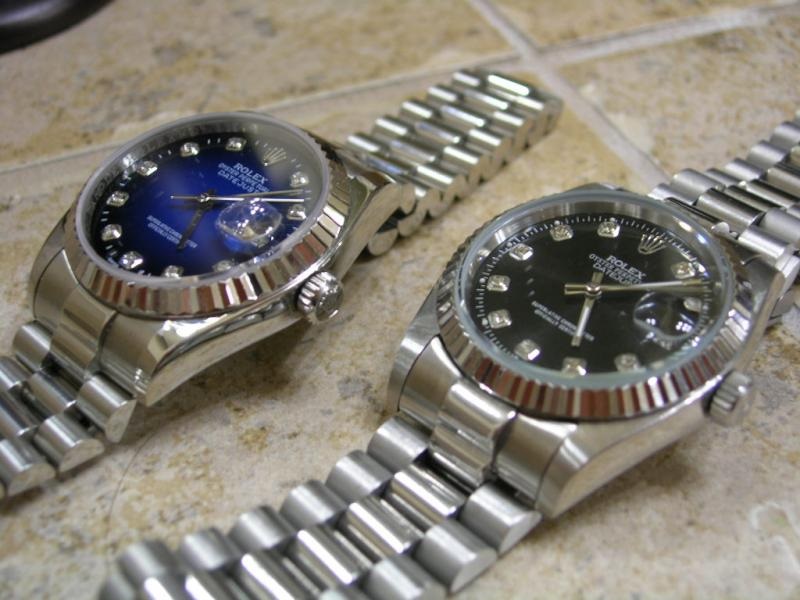
The allure of a Rolex watch is undeniable—a symbol of luxury, precision, and timeless style. However, with the prestige of the brand comes the proliferation of replicas. While some are easy to spot, others may fool even the keenest eye. In this guide, we’ll explore how to identify high-quality rolex replicas, ensuring you make informed decisions when shopping for this iconic timepiece.
Understanding Rolex’s Timeless Appeal
Rolex watches are synonymous with excellence. Their impeccable craftsmanship has earned them a place in the annals of horology history. This makes them highly coveted, not just by collectors but by counterfeiters as well. Knowing what makes a genuine Rolex tick is the first step in spotting a replica.
A genuine Rolex is characterized by its flawless design and meticulous attention to detail. The brand’s commitment to quality means each watch undergoes rigorous testing before leaving the factory. This pursuit of perfection is what sets Rolex apart and fuels its enduring popularity.
The Telltale Signs of a Replica
Identifying a Rolex replica isn’t always straightforward, especially when high-quality fakes come into play. However, there are several key indicators to look for when examining a watch. First, consider the weight—authentic Rolex watches are noticeably heavier due to their use of premium materials.
Next, inspect the watch face closely. A genuine Rolex will have a perfect finish with no imperfections. The text and logo should be sharp and clear, without any blurring or inconsistencies. If the lettering seems off, it’s likely not the real deal.
Examining the Movement
One of the most telling aspects of a Rolex watch is its movement. Replica watches often use cheaper, less accurate movements. A real Rolex will have a smooth second hand movement, almost gliding effortlessly around the dial.
To examine the movement, listen to the ticking. Authentic Rolex watches produce a smooth, nearly silent tick, thanks to their high-quality automatic movements. If you hear a loud ticking noise, it’s a red flag indicating a replica.
Analyzing the Materials
Rolex is renowned for its use of premium materials. Genuine watches are crafted from stainless steel, gold, and platinum, ensuring durability and a distinctive shine. When inspecting a potential replica, pay attention to the metal quality.
A quick test is to check for discoloration or uneven finishes, which are common in replicas. The crystal should also be scratch-resistant sapphire, offering superior clarity and protection.
Authentication and Documentation
Another critical factor in determining authenticity is the watch’s documentation. A genuine Rolex comes with a certificate of authenticity, warranty, and original packaging. If these are missing or seem dubious, proceed with caution.
Always verify the serial and model numbers—these are engraved between the lugs and should match the documentation. Discrepancies here are a clear sign of a replica.
Conclusion
Spotting a high-quality Rolex replica requires a keen eye and attention to detail. By understanding the brand’s defining characteristics, such as weight, movement, materials, and documentation, you can confidently assess a watch’s authenticity. Remember, when in doubt, consult a professional jeweler or an authorized Rolex dealer to ensure your investment is genuine.