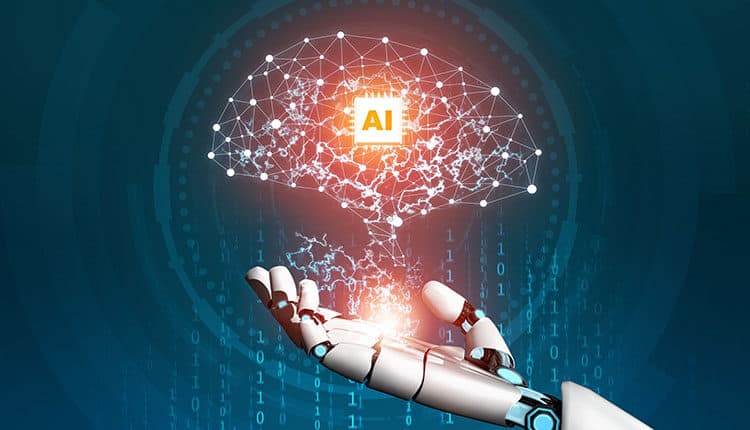
Artificial Intelligence, or AI, has seamlessly woven itself into the fabric of our daily lives, transforming how we interact with technology and the world around us. From the moment we wake up to the time we go to bed, AI plays a vital role in enhancing our experiences and providing convenience. This article explores the fascinating ways artificial intelligence (umělá intelligence) is integrated into our everyday life, from smart devices that simplify household tasks to autonomous cars that promise to revolutionize transportation.
The Rise of Smart Homes
Smart homes are no longer a futuristic concept; they are a reality for many. AI-powered devices have become household staples, bringing a level of convenience and efficiency that was once unimaginable. With voice assistants like Amazon’s Alexa and Google Home, controlling various aspects of your home can be done effortlessly. These assistants can play your favorite music, provide weather updates, and even control smart lighting and thermostats based on your preferences. The integration of AI in smart homes represents a significant leap forward in making our living environments more intuitive and responsive to our needs.
AI in Our Pockets
Our smartphones are perhaps the most personal and ubiquitous examples of AI in everyday life. Built-in AI algorithms help power features like facial recognition, voice assistants, and predictive text. These technologies learn from our habits, adapting to our preferences over time. AI enhances the quality of photos taken with phone cameras by optimizing settings in real-time, enabling even amateur photographers to capture stunning shots. The extent to which AI has enhanced mobile technology is a testament to its ability to learn and adapt to user behavior, creating personalized experiences.
AI on the Road
Autonomous vehicles are one of the most exciting applications of AI in everyday life. Self-driving cars, like those developed by Tesla, rely on advanced AI systems to interpret data from sensors and make split-second decisions on the road. These cars promise to reduce accidents caused by human error and improve traffic flow, potentially transforming urban landscapes. Although fully autonomous cars are still being tested and perfected, the progress made so far demonstrates AI’s potential to reshape how we travel. Until then, features like adaptive cruise control and automated parking, which are powered by AI, are already available in many modern vehicles.
AI and Personalization
AI’s ability to analyze vast amounts of data quickly and accurately has led to highly personalized experiences in various sectors. Streaming services like Netflix and Spotify use AI algorithms to suggest content based on individual preferences, ensuring users always have fresh, relevant options at their fingertips. Online shopping platforms use AI to provide personalized recommendations, making the browsing experience more enjoyable and efficient. These AI-driven personalization techniques underscore the importance of understanding consumer behavior and delivering tailored experiences that cater to individual tastes.
AI in Healthcare
AI is also making strides in the field of healthcare, offering solutions that improve patient outcomes and streamline operations. Machine learning algorithms can analyze medical data to assist with diagnostics, identifying patterns that might be missed by the human eye. AI-powered tools help in drug discovery, speeding up the process of finding new treatments for diseases. Additionally, wearable health devices that monitor vital signs use AI to provide insights into an individual’s health, promoting proactive healthcare management. By enhancing the capabilities of healthcare professionals, AI has the potential to revolutionize the industry and improve the quality of care provided to patients.
AI in Education
Education is another area where AI is making a significant impact. Intelligent tutoring systems can provide personalized learning experiences, adapting to the pace and style of individual students. These systems offer targeted support, ensuring students grasp complex concepts and achieve their full potential. AI can also help educators by automating administrative tasks, allowing them to focus more on teaching and less on paperwork. The integration of AI in education highlights its potential to transform learning environments, making education more accessible and effective for students worldwide.
AI in Entertainment
The entertainment industry leverages AI to enhance creativity and production processes. AI algorithms can generate music, art, and even scripts, pushing the boundaries of what is possible in creative fields. In film production, AI is used for tasks like special effects generation and scene analysis, streamlining workflows and reducing costs. These applications showcase AI’s ability to augment human creativity, opening new avenues for artistic expression and innovation.
AI and Privacy Concerns
While AI offers numerous benefits, its widespread adoption also raises privacy concerns. The collection and analysis of vast amounts of personal data by AI systems can lead to potential misuse or breaches. It is crucial for companies to implement robust data protection measures and for users to be aware of how their data is being used. As AI continues to evolve, addressing these privacy concerns will be essential to ensure that its benefits are realized without compromising individual security.
The Future of AI in Everyday Life
The future of AI holds exciting possibilities as advancements continue to push the boundaries of what is possible. Emerging technologies like quantum computing and edge AI promise to further enhance AI capabilities, making it even more integral to our daily lives. As AI becomes more sophisticated, it will continue to shape industries, improve efficiencies, and create new opportunities for innovation.
Taking the Next Step
By understanding AI’s current applications and potential, individuals and businesses can better prepare for the future. Exploring AI-driven technologies and staying informed about developments will be key to leveraging its benefits effectively. As AI continues to evolve, its role in everyday life will only grow, offering new ways to enhance our experiences and improve our world.
Conclusion
AI has seamlessly integrated into our everyday lives, offering convenience, personalization, and efficiency across various domains. From smart homes to autonomous cars, AI is redefining how we interact with technology and each other. While challenges remain—particularly concerning privacy—the potential benefits of AI are vast and far-reaching. By staying informed and understanding AI’s capabilities, we can harness its power to create a better, more connected future.