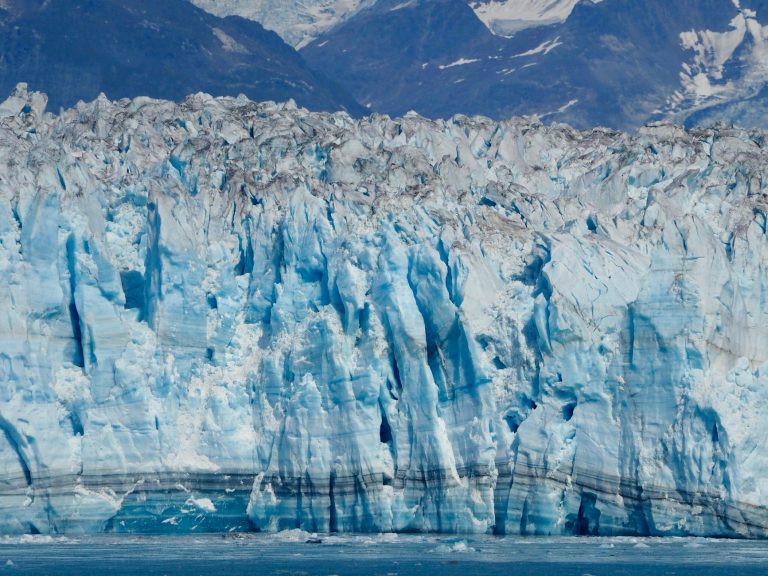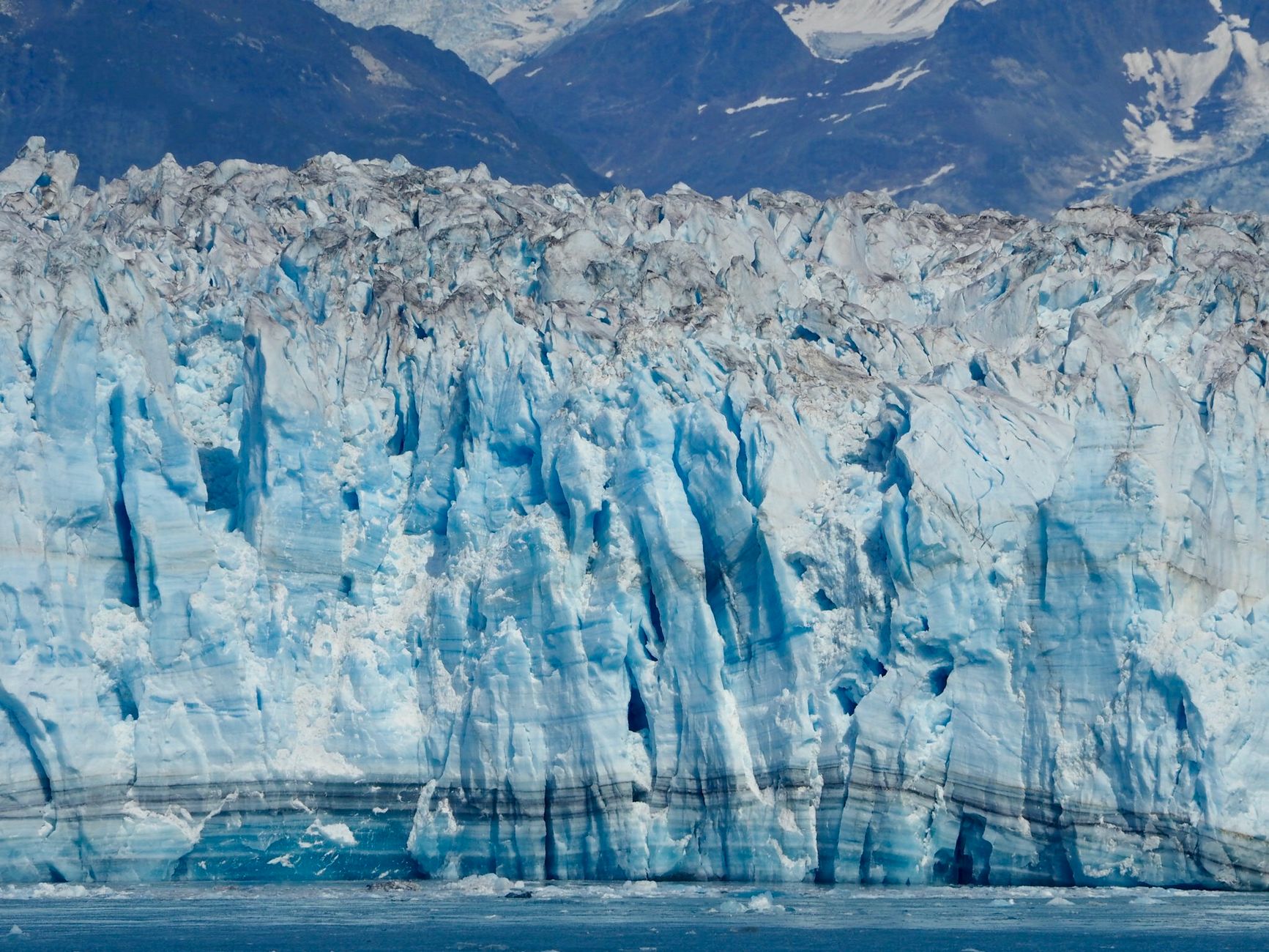
Glacier speeds Alaska can more than double during heavy rain events, highlighting the dramatic effects of climate change on glacial dynamics.
Understanding Glacier Dynamics
Glaciers are dynamic systems that respond to various environmental factors, including precipitation. Recent studies have shown that heavy rain can significantly influence glacier speeds in Alaska. When intense rainfall occurs, it can lead to increased meltwater production, which subsequently alters the flow dynamics of these massive ice bodies.
Several key factors contribute to this phenomenon:
- Basal lubrication: The influx of meltwater can reduce friction at the glacier base, allowing it to slide more easily over the bedrock.
- Hydraulic fracturing: Heavy rain can create pressurized water pockets within the glacier, leading to the formation of fractures that enhance movement.
- Thermal effects: Warmer temperatures associated with rain may also accelerate melting, further boosting glacier speeds.
As a result, scientists are closely monitoring these changes to understand the broader implications for sea level rise and climate change. The observed acceleration of glacier speeds in Alaska underscores the interconnectedness of climate systems and the urgent need for further research.
Impact of Heavy Rain on Glaciers
Recent studies reveal that heavy rain significantly influences glacier speeds in Alaska. This phenomenon occurs due to several factors that alter the dynamics of glacial movement. When intense rainfall hits the glaciers, it increases the amount of meltwater that seeps into the ice, enhancing lubrication between the ice and the underlying rock.
The impact of heavy rain can be profound, as it can:
- Increase flow rates: Researchers have observed that heavy precipitation can more than double the speed at which glaciers move.
- Accelerate melting: An influx of rain contributes to a faster melting process, further affecting the stability of the glacier.
- Modify ice structure: The introduction of water into the glacier’s structure can lead to changes in its physical properties.
As the climate continues to warm, understanding the correlation between heavy rain and glacier speeds in Alaska becomes increasingly crucial for predicting future glacial behavior and its implications for sea-level rise.
Climate Change and Its Effects
Climate change has significantly altered the dynamics of glaciers in Alaska, leading to more pronounced effects on their movement. As temperatures rise, glaciers are not only melting at an accelerated rate but also responding to changes in precipitation patterns. Heavy rain events, which have become more frequent due to climate change, can drastically impact glacier speeds in Alaska.
Research indicates that such rainfall can more than double the rates at which glaciers flow. This phenomenon occurs as the rainwater seeps into crevasses, lubricating the glacier’s base and allowing it to move more rapidly. This rapid movement can have cascading effects on the surrounding environment, including increased sea-level rise and altered ecosystems.
Understanding the intricate relationship between climate change and glacier speeds is crucial for predicting future changes in Alaska’s landscape. Scientists continue to study these dynamics to better understand the long-term implications for both the environment and local communities.
Research Findings on Glacier Speeds
Recent research has revealed significant findings regarding glacier speeds in Alaska, particularly in relation to heavy rainfall. Scientists have observed that periods of intense rain can lead to dramatic increases in the movement of glaciers. In some instances, heavy rain can more than double glacier speeds, reshaping our understanding of these massive ice formations.
Key points from the research include:
- Increased Meltwater: Heavy rain contributes to the melting of surface ice, creating an influx of water that lubricates the base of glaciers.
- Hydraulic Pressure: The added water pressure can accelerate glacier flow, pushing them to move more rapidly down valleys.
- Implications for Sea Level Rise: Faster-moving glaciers may contribute to higher rates of ice loss, raising concerns about future sea level rise.
This impactful research underscores the complex interactions between precipitation and glacier dynamics, highlighting the urgent need to study how climate variations influence glacier speeds in Alaska.
Recent studies have shown that increased precipitation significantly influences glacier speeds in Alaska. As heavy rain continues to affect these icy landscapes, researchers are closely monitoring how these changes in glacier speeds Alaska may impact local ecosystems.
Photo by Timon Cornelissen on Pexels
References
Related stories
Is the Zorio X6 Smart Band Worth the Price? · Military satellite launch: What are the proven benefits? · Fenix 9 Pro update: Best Maps and Display Improvements Revealed
About the Author