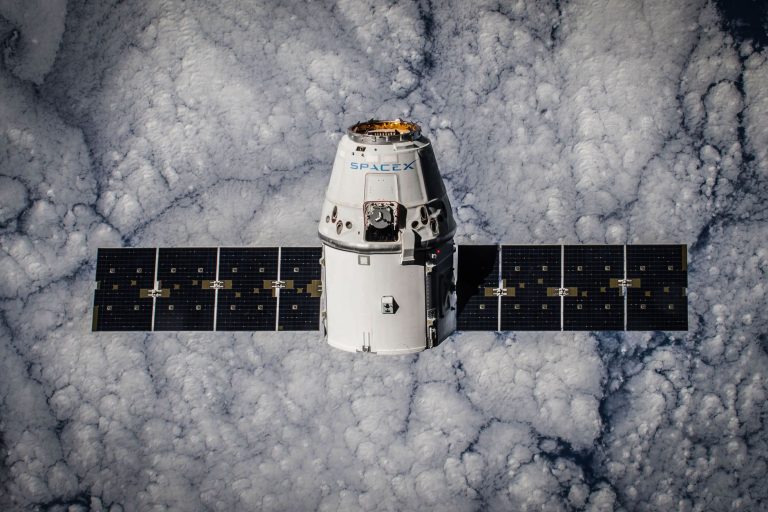
The military satellite launch marks a significant milestone for Russia, confirming its entry into orbit. This advancement showcases the country’s growing capabilities in space technology.
Overview of Russia’s Military Satellite Launch
On October 15, 2023, Russia successfully launched a new military satellite, confirming its entry into orbit and highlighting the nation’s ongoing advancements in military technology. This military satellite launch is part of a broader strategy to enhance Russia’s defense capabilities and improve its surveillance and reconnaissance operations.
The new satellite is expected to provide critical data to the Russian armed forces, enabling better situational awareness and faster response times in various military operations. As tensions rise globally, the importance of such technology becomes increasingly evident.
Key benefits of this military satellite launch include:
- Enhanced Communication: Improved communication channels between military units, ensuring real-time data sharing.
- Increased Surveillance: Advanced monitoring of geopolitical hotspots and potential threats.
- Operational Efficiency: Streamlined command and control capabilities, allowing for more effective strategic planning.
As countries continue to invest in their military satellite capabilities, the implications for global security and defense strategies are significant. Russia’s recent developments illustrate the ongoing race in space-based military technology, as nations seek to gain an upper hand in future conflicts.
Implications for Global Security
The recent military satellite launch by Russia has significant implications for global security. As nations continue to enhance their military capabilities through advanced technology, the strategic balance of power may be affected. The deployment of military satellites allows for improved surveillance, communication, and reconnaissance capabilities, which can enhance a country’s operational effectiveness.
One of the primary benefits of such launches is the ability to gather real-time intelligence. This intelligence can be crucial in monitoring potential threats and enabling timely responses. Additionally, military satellites contribute to:
- Enhanced communication: Secure and reliable communication channels improve coordination among military units.
- Early warning systems: Satellites can detect missile launches or troop movements, providing advanced alerts.
- Global positioning: Accurate navigation systems assist in the precise deployment of forces and resources.
However, the proliferation of military satellites may also lead to increased tensions among nations. Countries may feel compelled to enhance their own satellite programs, potentially igniting an arms race in space. Consequently, the dynamics of international relations could shift as nations adapt to these new technological advancements.
Technological Advances in Satellite Design
The recent military satellite launch by Russia showcases significant technological advances in satellite design that enhance military capabilities. These advancements not only improve surveillance and reconnaissance but also bolster communication systems critical for national security.
Among the key benefits of modern military satellites are:
- Improved Imaging: New designs feature high-resolution cameras that allow for detailed observation of ground activities, enabling quicker response times to potential threats.
- Advanced Communication: Modern satellites utilize cutting-edge encryption methods, ensuring secure communication lines between military units, which are vital for coordinated operations.
- Enhanced Durability: Innovations in materials and engineering have led to satellites that can withstand harsh space environments, resulting in longer operational lifetimes.
- Real-Time Data Processing: The integration of artificial intelligence in satellite systems allows for real-time analysis of data, providing military strategists with immediate insights.
These technological advancements underscore the importance of military satellite launches in maintaining a strategic advantage on the global stage, as nations strive to enhance their defense capabilities through cutting-edge technology.
How Satellite Launches Affect Space Policy
The recent military satellite launch by Russia has significant implications for space policy on a global scale. As nations increasingly rely on satellite technology for defense and intelligence purposes, the dynamics of international relations are reshaped. This launch not only demonstrates Russia’s commitment to enhancing its surveillance capabilities but also raises concerns among other countries regarding military advancements in space.
One key impact of military satellite launches is the acceleration of arms races in space. Countries may feel compelled to invest in their own satellite programs to maintain parity or gain an edge in military capabilities. This can lead to a cycle of escalation, where nations perceive threats and respond by strengthening their defenses.
Moreover, military satellite launches often lead to discussions about the regulation of space activities. As more countries develop and deploy military satellites, the need for comprehensive treaties and agreements becomes more pressing to prevent conflicts and ensure peaceful use of outer space.
In conclusion, the implications of military satellite launches extend beyond national security, influencing global space policy and international cooperation. As technology evolves, the conversations surrounding these launches will continue to be crucial for maintaining stability in space.
Expert Opinions on Military Satellites
Experts in the field of aerospace and defense have weighed in on the recent military satellite launch by Russia, highlighting several proven benefits of such advancements. According to Dr. Linda Carter, a defense analyst, “The deployment of military satellites significantly enhances a nation’s ability to monitor and respond to global threats.”
One of the primary advantages noted by specialists is the improved intelligence gathering. Military satellites provide real-time data that can be crucial for national security decision-making. In the words of General Mark Thompson, “Having eyes in the sky allows for a comprehensive understanding of geopolitical landscapes and potential conflict zones.”
Additionally, the presence of military satellites in orbit serves as a deterrent to adversaries. Dr. Harold Jennings, an expert in international relations, states, “The knowledge that a nation has advanced surveillance capabilities can prevent hostile actions by other states.”
Furthermore, experts emphasize the importance of technological innovation that comes with these launches. As Dr. Emily Chen explains, “Each military satellite launch pushes the boundaries of existing technology, fostering advancements that can be applied in both defense and civilian sectors.”
In summary, the recent military satellite launch not only bolsters national security but also contributes to broader technological and strategic advancements in space policy.
Future of Space Exploration
The future of space exploration is poised to be significantly influenced by advancements in military satellite launch capabilities. As nations invest in more sophisticated technology, the role of military satellites extends beyond mere surveillance and communication. These satellites are becoming crucial in enhancing national security and global stability.
The increasing number of military satellite launches is indicative of a broader trend where space is viewed as a vital domain for strategic advantage. Countries like Russia are not only focusing on their defense capabilities but are also exploring partnerships for space exploration. This collaboration can lead to shared knowledge and technology that benefits all involved parties.
Moreover, the integration of artificial intelligence and machine learning in satellite systems is expected to revolutionize how data is collected and analyzed. This evolution will facilitate quicker response times to emerging threats, thereby reinforcing the importance of military satellite launches.
As these technologies evolve, other sectors, including commercial and scientific organizations, stand to gain from the advancements made in military satellite design and deployment. The dual-use nature of these technologies underscores their significance in both defense and civilian applications.
- Improved national security
- Enhanced data collection and analysis
- Potential for international cooperation
Conclusion: The Importance of Military Satellites
In conclusion, the recent military satellite launch by Russia underscores the critical role these advancements play in national and global security. Military satellites serve as vital assets for communication, reconnaissance, and navigation. Their capabilities directly enhance the operational effectiveness of armed forces around the world.
Some proven benefits of military satellites include:
- Real-time Intelligence: They provide timely information on potential threats, enabling quicker decision-making.
- Global Communication: Military operations can rely on uninterrupted communication channels, crucial during crises.
- Enhanced Surveillance: Advanced imaging technology allows for continuous monitoring of strategic locations.
- Navigation and Timing: Accurate positioning systems support military movements and operations, ensuring precision in various missions.
As nations continue to invest in military satellite technology, the implications extend beyond defense. They influence international relations, space policy, and even the future of space exploration. The benefits derived from the military satellite launch are evident, reinforcing the importance of investing in these technologies for maintaining strategic advantages in an increasingly complex global landscape.
The military satellite launch has significantly enhanced communication capabilities for armed forces. Additionally, a military satellite launch plays a crucial role in intelligence gathering and surveillance operations.
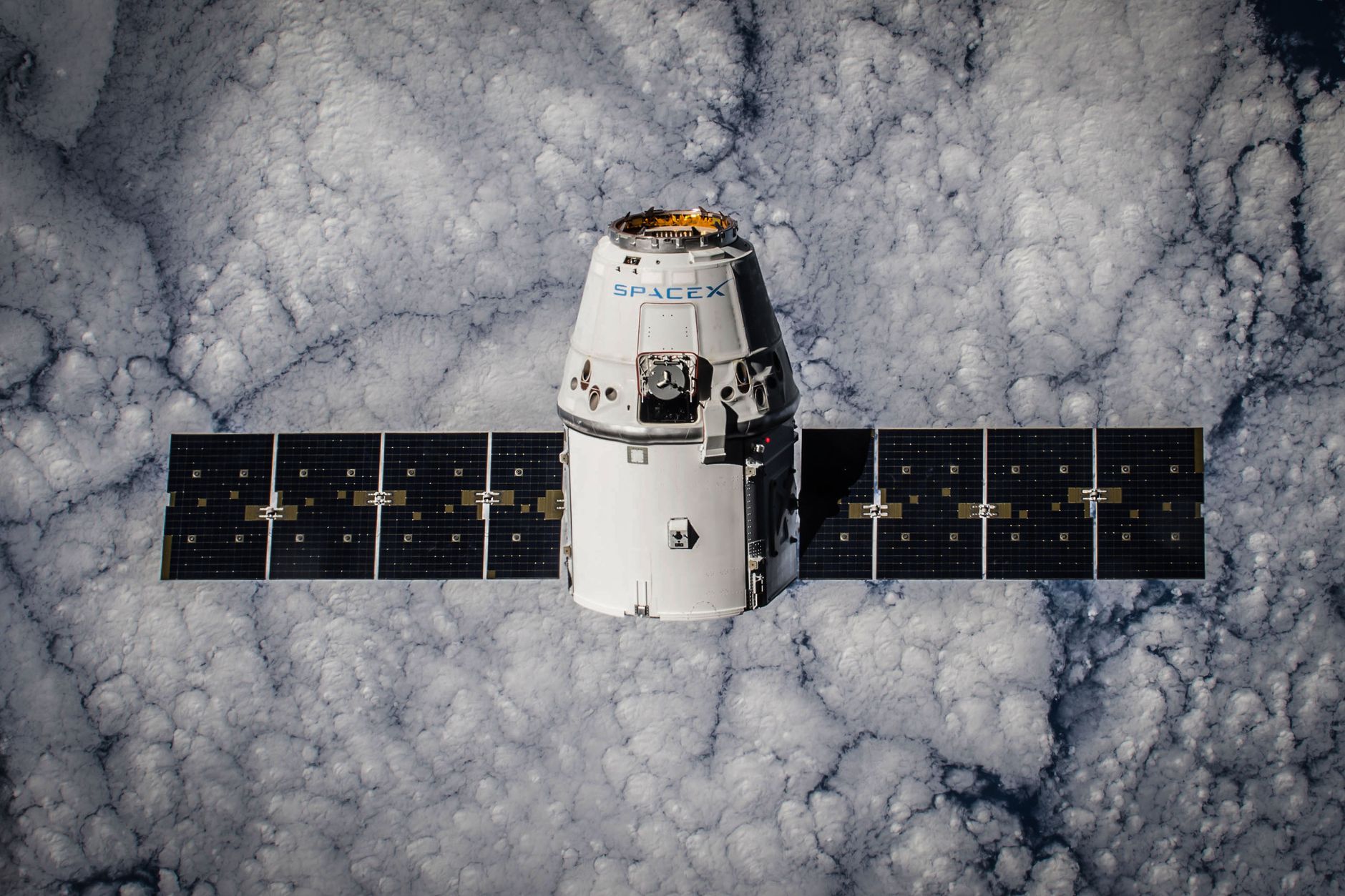
Photo by SpaceX on Pexels
Where this came from
You might also like
- Fenix 9 Pro update: Best Maps and Display Improvements Revealed
- Jio 3-Year Plan: Best Unlimited 5G Recharge Option
- Synology DS925neo+ Review: The Best Proven Choice in India
About the Author