AI model without data center is revolutionizing how we think about artificial intelligence. Meta’s latest release demonstrates a significant shift in AI technology.
What is Meta’s New AI Model?
Meta has unveiled its groundbreaking AI model that operates without the need for a traditional data center, marking a significant advancement in artificial intelligence technology. This innovative model leverages decentralized computing resources, allowing for enhanced processing capabilities while reducing reliance on centralized infrastructure.
The new AI model is designed to enable developers and businesses to harness powerful machine learning algorithms in a more efficient manner. By eliminating the need for a data center, Meta aims to democratize access to sophisticated AI tools, making them available to a wider range of users.
- Accessibility: Developers can deploy AI solutions without the constraints of physical data centers.
- Cost-Effectiveness: Reducing operational costs associated with maintaining large data centers can benefit startups and smaller enterprises.
- Scalability: The model can easily scale according to demand, adapting to various applications and user needs.
This shift towards an AI model without a data center not only enhances performance but also aligns with growing sustainability efforts in technology. As Meta continues to innovate, the implications of this model could reshape the future of AI development.
How Does It Work Without a Data Center?
Meta’s new AI model operates without reliance on a traditional data center, which marks a significant shift in the development and deployment of artificial intelligence technologies. Instead of being confined to large server farms, this innovative model utilizes distributed computing capabilities. This approach allows the model to leverage a network of devices, including personal computers and mobile devices, to perform computations.
Here’s how it works:
- Distributed Processing: The AI model processes data across various connected devices, sharing computational loads and making it more efficient.
- Edge Computing: By performing calculations closer to where data is generated, the model reduces latency and improves response times.
- Resource Optimization: The need for a centralized data center is eliminated, leading to lower operational costs and reduced energy consumption.
Furthermore, this approach enhances accessibility, allowing smaller businesses and individuals to harness AI capabilities without substantial infrastructure investments. As a result, the AI model without a data center could democratize access to advanced AI technologies, fostering innovation across various sectors.
Benefits of AI Model Without Data Center
The introduction of an AI model without a data center presents several significant benefits that could reshape the landscape of artificial intelligence.
- Cost Efficiency: By eliminating the need for extensive data center infrastructure, organizations can significantly reduce operational costs associated with hardware, maintenance, and energy consumption.
- Scalability: This innovative approach allows businesses to scale their AI capabilities more easily, as they can deploy models directly on local devices or edge environments without relying on centralized resources.
- Enhanced Privacy: With data processing occurring locally, the risk of data breaches is minimized, ensuring that sensitive information remains protected and complies with privacy regulations.
- Faster Response Times: Without the latency associated with cloud-based data centers, users can benefit from quicker processing and real-time insights, improving the overall user experience.
- Broader Accessibility: This model democratizes access to advanced AI technologies, enabling smaller organizations and even individuals to utilize powerful AI tools without the need for substantial investment in infrastructure.
Overall, the AI model without a data center represents a transformative step forward in making AI more accessible, efficient, and secure.
Implications for the Tech Industry
The introduction of the AI model without a data center by Meta is poised to significantly impact the tech industry. This breakthrough technology allows for the deployment of advanced artificial intelligence capabilities without the need for traditional, centralized data storage facilities.
First and foremost, this innovation could lead to a reduction in operational costs for companies that rely heavily on AI systems. By eliminating the need for extensive data centers, organizations can allocate resources more efficiently, investing in talent and development instead of infrastructure.
Furthermore, the shift towards decentralized AI models enhances data privacy and security. With less reliance on centralized servers, the risk of data breaches may diminish, making it a more attractive option for companies concerned about safeguarding sensitive information.
Moreover, this technology could democratize access to AI, allowing smaller businesses and startups to leverage sophisticated AI tools without the burden of maintaining a data center. As a result, innovation may flourish across various sectors, creating new opportunities and applications.
In conclusion, the implications of an AI model without a data center extend far beyond technical advancements, influencing economic strategies and market dynamics within the tech industry.
Comparing Traditional AI Models
Traditional AI models typically rely on extensive data centers, which are essential for processing large datasets and running complex algorithms. These facilities house powerful servers and storage solutions that enable machine learning tasks. However, they also come with significant costs and energy consumption.
In contrast, the AI model without a data center presents a new approach that minimizes reliance on such infrastructure. This innovative model processes data locally, using edge computing techniques that allow for real-time analysis and decision-making. By leveraging smaller, distributed devices, it reduces latency and increases efficiency.
Some advantages of traditional AI models include:
- Scalability: Data centers can expand their resources to handle growing data needs.
- Storage Capacity: They provide vast amounts of storage for large datasets, making training more manageable.
- Centralized Management: IT departments can easily control and maintain hardware and software.
However, the shift towards an AI model without a data center challenges these conventional practices, prompting discussions about the future of AI development and deployment.
User Reactions to Meta’s AI Release
Following the release of Meta’s groundbreaking AI model without a data center, user reactions have been overwhelmingly positive. Many tech enthusiasts and professionals are expressing their excitement about the potential this innovation holds for various industries.
Social media platforms have been buzzing with discussions, and users are highlighting several key points:
- Accessibility: Many users appreciate how this model democratizes access to advanced AI, allowing smaller companies and individuals to leverage its capabilities without the high costs associated with traditional data centers.
- Efficiency: Comments point to the reduced energy consumption and operational costs, making it an attractive option for businesses looking to optimize their resources.
- Innovation: Users are excited about the creative possibilities this AI model without a data center offers, particularly in fields like healthcare, education, and entertainment.
- Potential Challenges: While enthusiasm is high, some users have raised concerns about the reliability and scalability of an AI model that operates independently of a data center.
Overall, the reception reflects a strong belief that this innovation from Meta could reshape the landscape of artificial intelligence.
Future of AI Development
The future of AI development is being reshaped by innovations like Meta’s AI model without a data center. This groundbreaking approach offers a glimpse into a world where powerful artificial intelligence can operate independently of traditional infrastructure. As companies increasingly seek efficiency and sustainability, the potential for decentralized AI solutions becomes more appealing.
One significant trend emerging from this innovation is the shift towards edge computing. By processing data closer to its source, AI models can reduce latency and improve response times. This not only enhances user experience but also minimizes energy consumption, aligning with global sustainability goals.
Moreover, the development of AI models without data centers could democratize access to advanced technology. Smaller enterprises and developers, who may lack the resources for extensive data centers, can leverage these models to innovate and compete. This shift could lead to a diverse ecosystem of AI applications, fostering creativity and collaboration across various sectors.
As the tech industry continues to evolve, the implications of a data center-free AI landscape are profound, prompting stakeholders to reconsider their strategies and investments in artificial intelligence.
The emergence of an AI model without data center capabilities challenges traditional computing paradigms. By leveraging edge computing, this AI model without data center can operate efficiently in real-time environments.
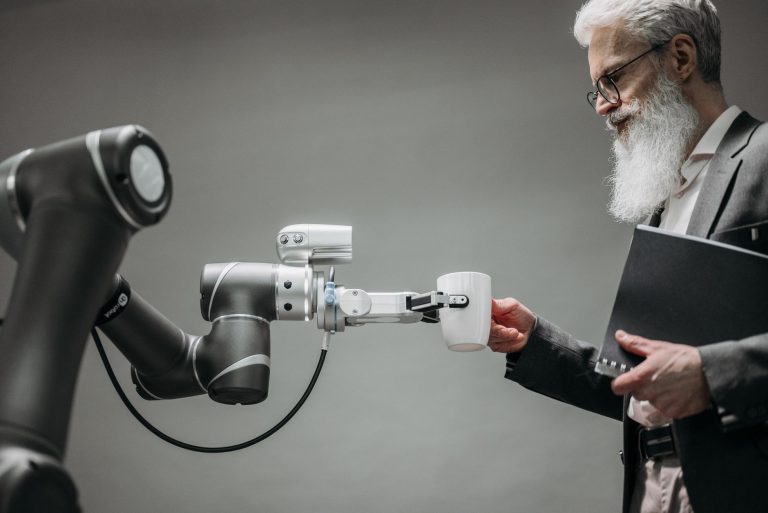
Photo by Google DeepMind on Pexels
Read the original
- Tracxn Technologies AI Suite: Best Proven Launch Update
- Nintendo Switch 2 release date: The Best News for Gamers!
- Over the Hill Steam release: Best gaming experience awaits!
About the Author