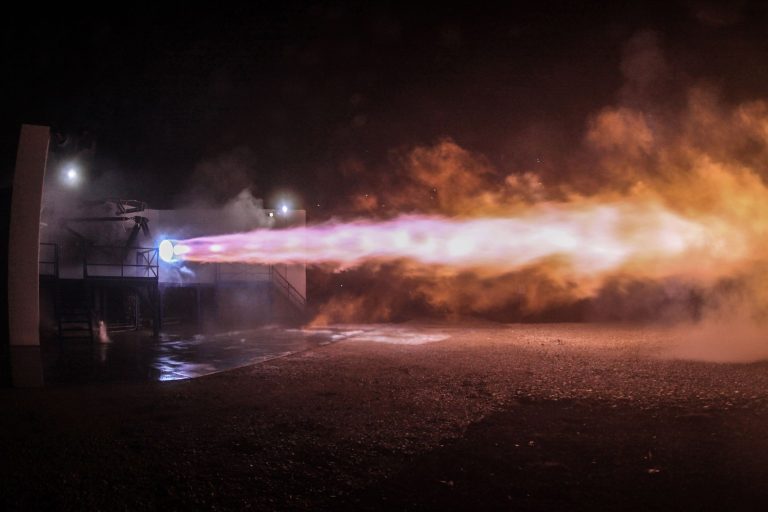
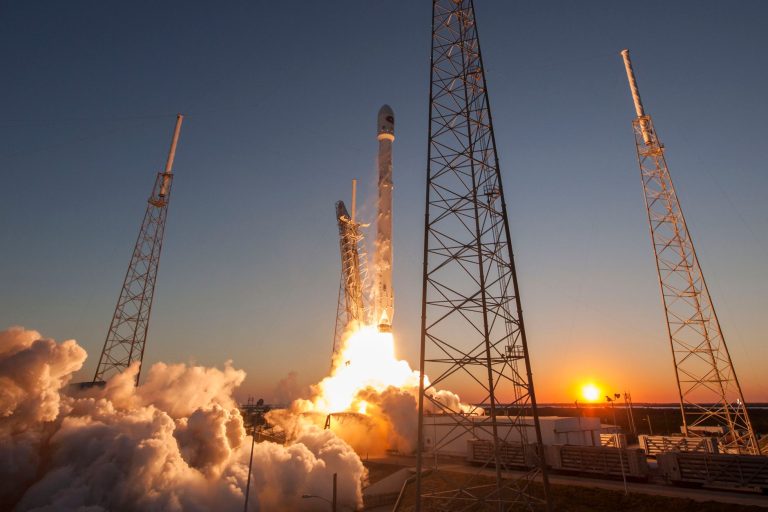
Nuri rocket launch is gearing up for its fifth attempt after successfully reaching the launch pad. This milestone highlights the progress in space exploration efforts.
Overview of the Nuri rocket
The Nuri rocket, developed by the Korea Aerospace Research Institute (KARI), represents a significant milestone in South Korea’s space exploration efforts. Designed to deliver payloads into low Earth orbit, the Nuri is crucial for advancing the nation’s satellite deployment capabilities.
After several successful test flights, the Nuri rocket is preparing for its fifth launch, showcasing improvements based on previous missions. This upcoming launch aims to place multiple satellites into orbit, further establishing South Korea’s position in the global aerospace sector.
Key features of the Nuri rocket include:
- Payload Capacity: The Nuri can carry up to 1.5 tons, allowing for versatile satellite missions.
- Innovation: The rocket incorporates cutting-edge technology, ensuring reliability and performance.
- Cost-Effectiveness: Designed to be a more economical option for launching satellites compared to existing alternatives.
As the Nuri rocket launch approaches, anticipation grows within the scientific community and among enthusiasts, marking another step toward achieving South Korea’s ambitious space exploration goals.
Timeline of Nuri’s previous launches
The Nuri rocket, South Korea’s ambitious space launch vehicle, has undergone several critical launches since its inception. Here is a timeline of its previous launches:
- October 2021: The first test flight was conducted, marking a significant milestone for South Korea’s space program. Although it faced challenges, the test provided valuable data.
- June 2022: Nuri successfully launched into orbit, achieving its primary objective of placing a dummy payload in space. This was a crucial step in validating the rocket’s technology.
- October 2022: The second launch aimed to further test the vehicle’s capabilities, focusing on its performance during ascent and deployment phases.
- May 2023: Nuri’s third launch demonstrated improved reliability, successfully delivering a payload to a designated orbit, showcasing advancements in South Korea’s rocket technology.
- November 2023: The fourth launch aimed to solidify Nuri’s capabilities, with a focus on enhancing payload delivery mechanisms.
As the upcoming Nuri rocket launch approaches, experts are optimistic about the advancements made in each previous attempt.
What to expect during the fifth launch
The fifth launch of the Nuri rocket, scheduled for this month, promises to be a significant milestone in South Korea’s space exploration efforts. As anticipation builds, here are some key aspects to expect during this crucial event:
- Launch Window: The launch is set for a specific window, which is determined by optimal weather conditions and technical readiness.
- Payload Details: This mission will carry a variety of payloads, including satellites designed for scientific research and communication.
- Live Coverage: Viewers can expect comprehensive live coverage, allowing the public to witness the Nuri rocket launch as it unfolds in real-time.
- Post-Launch Analysis: Following the launch, experts will analyze the mission’s success and gather data to improve future endeavors.
As the countdown begins, the excitement surrounding the Nuri rocket launch continues to grow, showcasing South Korea’s commitment to advancing its space program and fostering international collaboration in space exploration.
Technological advancements in Nuri
The Nuri rocket launch has been a testament to the advancements in space technology, showcasing South Korea’s commitment to becoming a key player in the global aerospace sector. With each iteration, the Nuri rocket has integrated significant technological improvements aimed at enhancing its performance and reliability.
One of the most notable advancements includes the rocket’s enhanced propulsion system, which is designed to provide a more efficient thrust-to-weight ratio. This innovation not only increases the rocket’s payload capacity but also reduces fuel consumption, allowing for longer missions and the ability to carry larger satellites into orbit.
Furthermore, the incorporation of advanced materials has played a crucial role in the Nuri’s development. These lightweight yet durable components contribute to the rocket’s structural integrity while minimizing overall weight.
As engineers continue to refine the Nuri rocket, ongoing testing and simulations help to ensure that each launch builds upon the lessons learned from previous missions. The upcoming Nuri rocket launch promises to be another significant step forward in South Korea’s space exploration efforts.
Challenges faced by the Nuri program
The Nuri rocket launch program has encountered several challenges since its inception, impacting its overall progress and public perception. Despite significant advancements, the journey has not been smooth. One of the primary hurdles is the program’s technical difficulties, which have led to delays and adjustments in the launch schedule.
Another significant challenge has been funding constraints. The program relies heavily on government support, and fluctuations in budget allocations have caused uncertainties in planning and execution. This has made it difficult to maintain a consistent development pace.
Moreover, international competition poses a substantial challenge. As other nations advance their own space programs, the Nuri rocket must prove its reliability and capability to secure its place in the global market. The pressure to demonstrate success during the upcoming Nuri rocket launch has intensified due to these factors.
Finally, public expectations have risen, with many stakeholders looking for a successful outcome. Balancing these expectations while addressing the inherent challenges is crucial for the future of the Nuri program.
The significance of this launch for Korea
The upcoming Nuri rocket launch is not just another milestone for South Korea’s space program; it represents a significant leap in the nation’s ambitions in aerospace technology and satellite deployment. As the fifth launch of the Nuri rocket, this event is pivotal in demonstrating the country’s growing capabilities in independent space exploration.
Achieving success with the Nuri rocket will enhance Korea’s reputation on the global stage, positioning it alongside other leading nations in space innovation. This launch is expected to contribute to a better understanding of space, as well as foster international collaborations and partnerships in scientific research.
Moreover, this mission is crucial for the development of the Korean satellite industry. By successfully deploying satellites into orbit, Korea can bolster its technological infrastructure, facilitating advancements in telecommunications, weather forecasting, and Earth observation.
In summary, the significance of this Nuri rocket launch extends beyond mere technical achievements; it symbolizes Korea’s aspirations to become a prominent player in the global space arena, ultimately inspiring future generations to pursue careers in science and engineering.
Future plans for Nuri and beyond
The future of the Nuri rocket program looks promising as plans are in place to enhance its capabilities and expand its mission scope. Following the successful fifth launch, the focus will shift to refining the technology and increasing the payload capacity of the Nuri rocket. This will position it as a key player in the global space industry.
In addition to upgrading existing features, the Korea Aerospace Research Institute (KARI) is exploring partnerships with international space organizations. These collaborations aim to share knowledge and resources, ultimately benefiting the Nuri rocket’s development.
Future missions may include:
- Deep space exploration: Plans are underway to utilize Nuri for missions beyond Earth’s orbit.
- Satellite deployment: Increased payload capacity could enable Nuri to launch larger and more sophisticated satellites.
- Research initiatives: Collaborating with academic institutions to conduct experiments in microgravity.
As the Nuri rocket program evolves, it stands to not only advance Korea’s space ambitions but also contribute significantly to the worldwide aerospace community.
Conclusion: Nuri rocket launch impact
The Nuri rocket launch represents a significant milestone not just for South Korea’s space program, but for the global aerospace community. As the country prepares for its fifth launch, the impact of this initiative extends far beyond the immediate objectives.
One of the most notable outcomes of the Nuri rocket program is its ability to enhance national pride and technological independence. By successfully developing and launching its own rockets, South Korea is establishing itself as a formidable player in the space race.
Moreover, the Nuri rocket launch has the potential to stimulate economic growth through the development of related industries, including satellite technology and aerospace engineering. This launch is expected to inspire future generations of scientists and engineers, fostering innovation and interest in STEM fields.
In summary, the Nuri rocket launch is not merely a technological endeavor; it is a step towards establishing South Korea’s presence in space exploration. As we look ahead, the implications of this undertaking will resonate for years to come, influencing policies, partnerships, and the country’s trajectory in the realm of space science.
Sources
You might also like
- Huawei Qualcomm Patent Deal: A Smart Move for Chip Design
- Samsung One UI 9: Is It the Best Update for Galaxy Phones?
- AAA games comparison: Best insights on Control and Wolverine
About the Author