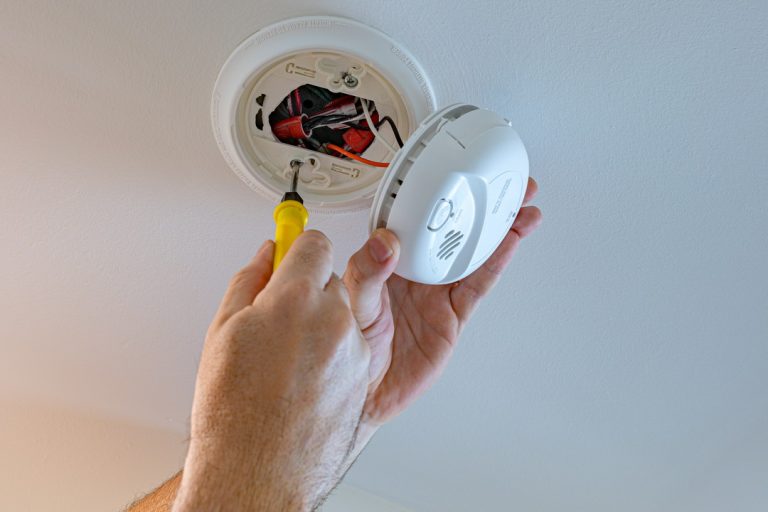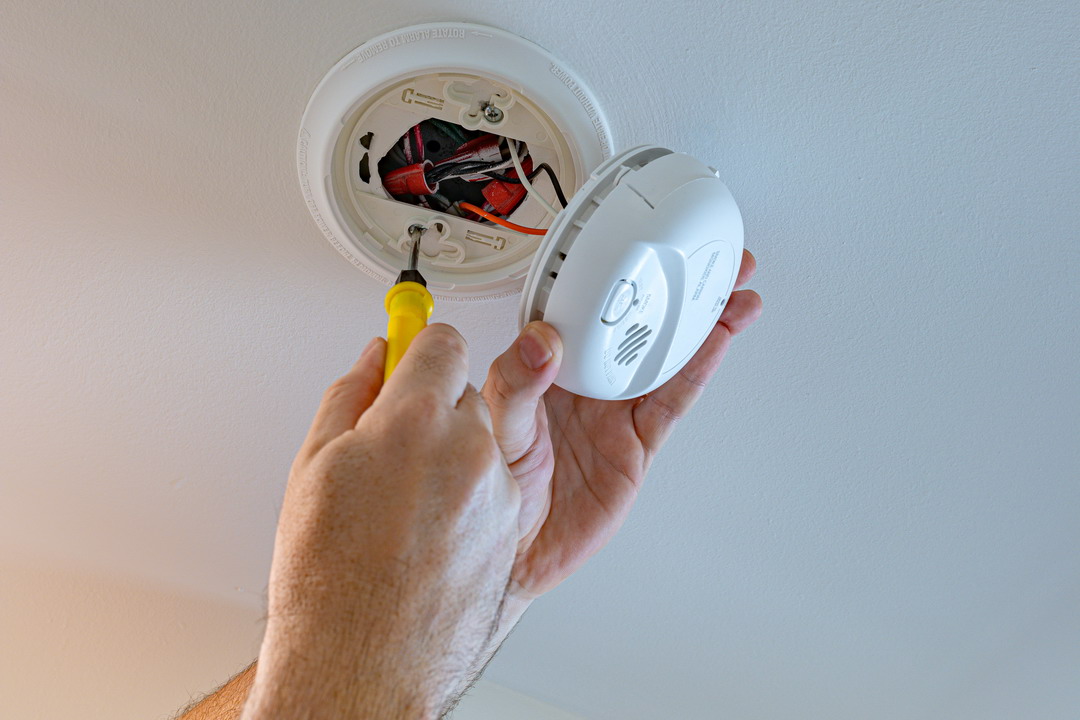
Homeowners typically think of intrusion defense when planning a home security installation. They think of devices like door sensors, window sensors, and video cameras. It is not without reason. Home security has traditionally been pushed as a primary defense against intrusion. But there are other things that threaten the safety of families. Fire and carbon monoxide are just two of them.
The standard way to address these two threats has been to install standalone smoke and carbon monoxide detectors, but if you’re investing in a monitored home security system, you can probably get the two devices included. Should you? Absolutely.
Real-World Emergencies Demand It
Stand-alone smoke and carbon monoxide detectors are battery-operated devices offering minimal protection. Even though they satisfy basic local building codes, relying on them as isolated devices ignores how real-world emergencies tend to unfold. Think of it this way: a fire can double in size every 30 to 60 seconds. Time is of the essence for both saving lives and preventing property damage.
A standalone smoke detector only alerts occupants to a potential fire. It doesn’t do anything to help them contact the fire department or get out of the house more quickly. A smoke detector installed as part of a professionally monitored home security system provides earlier warning along with the assistance of trained monitoring personnel.
6 Reasons to Include Them in Your Security System
If you are planning to install a home security system for the first time, there are legitimate reasons to include a connected smoke and carbon monoxide detector. You might even decide to invest in multiple units. And if you already have a system, consider adding new smoke and carbon monoxide detectors that can be monitored along with the rest of your devices.
Here are six reasons for the recommendation:
1. Emergency Dispatch 24/7
Professional monitoring offers a big advantage in terms of dispatch because a system is monitored 24 hours a day, every day. Let’s say you go with a provider like Vivint. Someone is always available at the Vivint monitoring center; someone who can contact local authorities on your behalf. A stand-alone smoke or carbon monoxide detector only makes a noise. That is a big deal when time is of the essence.
2. Whole-Home Connectivity and Specificity
Whole-home security systems tend to rely on integrated sensor networks. When one smoke detector goes off, every other detector in the system also responds. Furthermore, the system can be connected with smartphones, a smart speaker, and other devices, ensuring that everyone in the house gets alerted when there is a problem.
Location specificity is another big bonus. Some systems make it possible for remote monitoring personnel to pinpoint the exact location where the original alert came from. It is information that could help first responders more quickly address the situation. Location specificity can even help occupants identify the best escape route.
3. Automated Smart Home Response
If you’re into home automation, one of the most powerful tools you have is integrating your smoke and carbon monoxide detectors with other devices for total control. One example is integrating the devices with your HVAC system. If a fire breaks out, the smoke detector can trigger the HVAC to automatically shut off. This can help slow down the fire’s progression.
Another thing you could do is write a routine that automatically unlocks front doors in the event of a fire or carbon monoxide emergency. Having the doors automatically unlock means getting out of a house faster. It could save lives. Outside, that same routine could illuminate walkways. Safer egress during the overnight hours can only help.
4. Remote Smartphone Alerts
Stand-alone smoke and carbon monoxide detectors are better than nothing at all. But here is another disadvantage: they can’t alert you to a problem when you’re not home. A fire could break out, causing your smoke detector to sound its clearly audible alarm. But if were at work, you would never know that a raging fire was consuming your house.
Full-home integration solves that problem. The minute your smoke detector is triggered, you get an alert on your smartphone. You can then monitor your cameras to figure out what’s going on. Between you and your monitoring provider, you can address a potential emergency that much more quickly.
5. System Health Monitoring
Your home automation platform monitors the health of your integrated devices. Why does this matter? Because the platform can alert you to a dead battery. It can also alert you to faulty sensors or device tampering. This may not seem like a big deal but imagine someone in your family being injured in a fire after a malfunctioning smoke detector fails to trigger.
System health monitoring proves invaluable when emergencies strike. Health monitoring, combined with effective maintenance, ensures your system keeps operating as it should. That means you and your family are safer.
6. Insurance Discounts
Integrating smoke and carbon monoxide detectors with the rest of your security system could offer financial advantages as well. Although there are no guarantees, a lot of insurance companies offer discounts for home security in general. Those discounts might be greater when smoke and carbon monoxide detectors are included.
How much money you might actually save depends on your system and your insurance carrier, but any amount saved is a bonus. Right?
100% Safety Requires an Ecosystem
Installing smoke and carbon monoxide detectors is all about safety. You want to keep yourself and your family safe from fire and carbon monoxide poisoning. But to be truly safe, you need more than just a few standalone devices. You need an entire security ecosystem. Integrated smoke and carbon monoxide detectors are part of that system.
The thing about smoke and carbon monoxide is that both can kill quietly. A person can be totally overcome without knowing what’s going on. For this reason alone, smoke and carbon monoxide detectors are invaluable. If you have standalone devices, that’s good. If you can get them integrated with a whole-home security system, that’s even better.
Quick Summary
- Homeowners are encouraged to include smoke and carbon monoxide detectors in their monitored home security systems for enhanced safety.
- Standalone detectors provide minimal protection and only alert occupants without connecting them to emergency services.
- Professionally monitored systems can dispatch emergency services 24/7, significantly improving response times during an emergency.
- Integrated security systems allow for location specificity, enabling more effective responses from first responders and better escape planning for occupants.
- Remote smartphone alerts from integrated detectors ensure homeowners are informed of emergencies even when they are not home.
- Home automation platforms can monitor the health of safety devices, notifying users of dead batteries or malfunctions that could compromise safety.
About the Author